Justine A. Chambers, Luciana Freire D’Anunciação, Tanya Lukin Linklater, and Andrea Nann, Dreamwalker
The Central Gallery
May 30 to September 12, 2026
Curated by Charo Neville
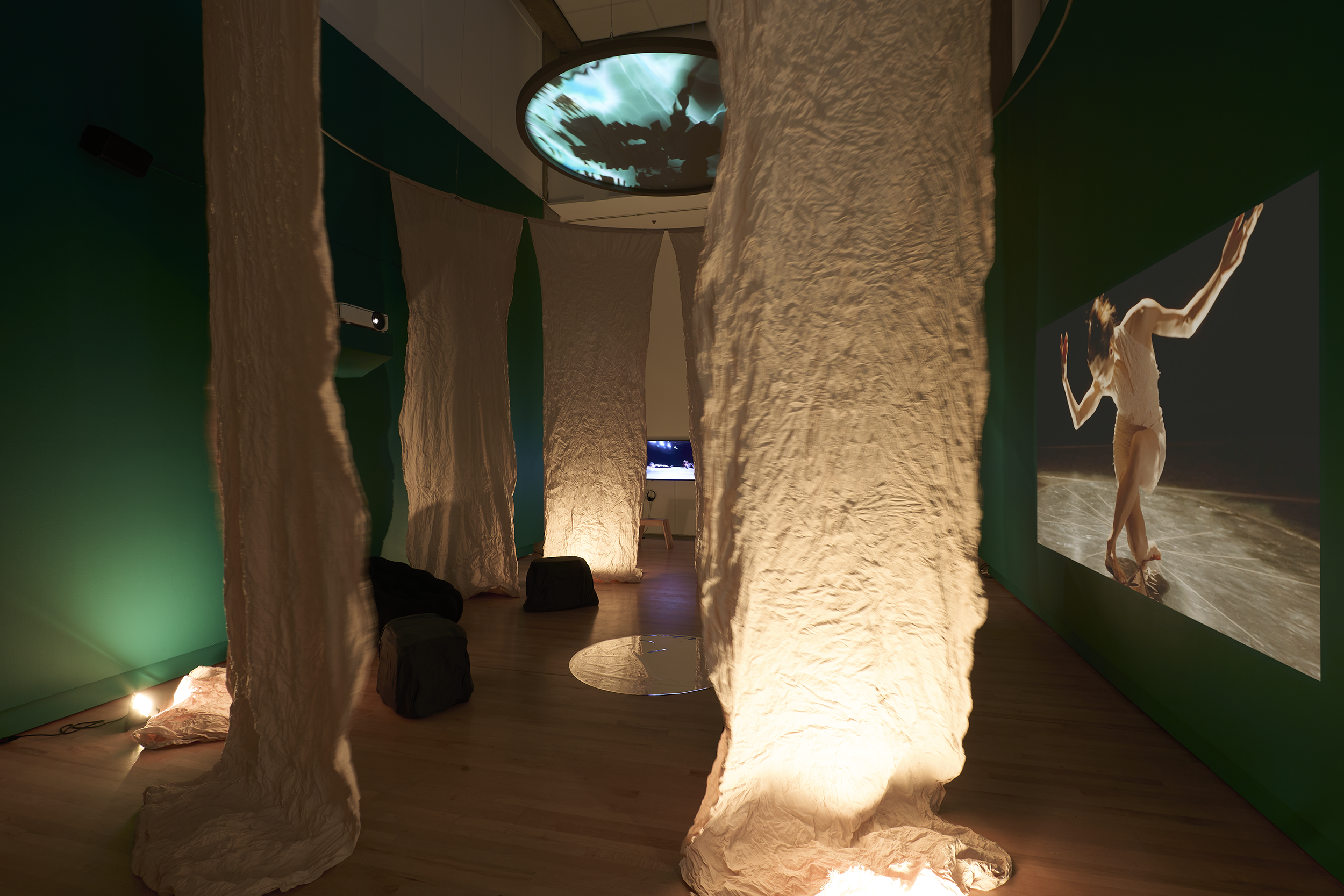
Dancing through to the other side holds space for dance and the body in the gallery through immersive video and sound experiences. It brings together the work of interdisciplinary artists Justine A. Chambers, Luciana Freire D’Anunciação, Tanya Lukin Linklater, Andrea Nann, Dreamwalker, and their collaborators, whose movement-based practices situate dance within the gallery, beyond the ephemeral moment of performance.
With each project, there is the potential to see ourselves as part of something larger through relationality between dancers and audiences, the sharing of personal stories, and physical responses to scores and sites. Together, the installations explore a common interest in prioritizing care—care for the natural world, the cosmological, the interpersonal, and the collective. In some cases sparked by written and oral prompts, each screen-dance project in this exhibition emerges from a combination of choreography and cinematography to tell a story. Through collaboration and reciprocity, the artists draw out stories using movement practices that open access to often unspoken experiences of cultural, racial, and intergenerational loss and reclamation—a dreamlike space that exists below the surface. Dancing through to the other side shares experiences and knowledge which reside in the body.
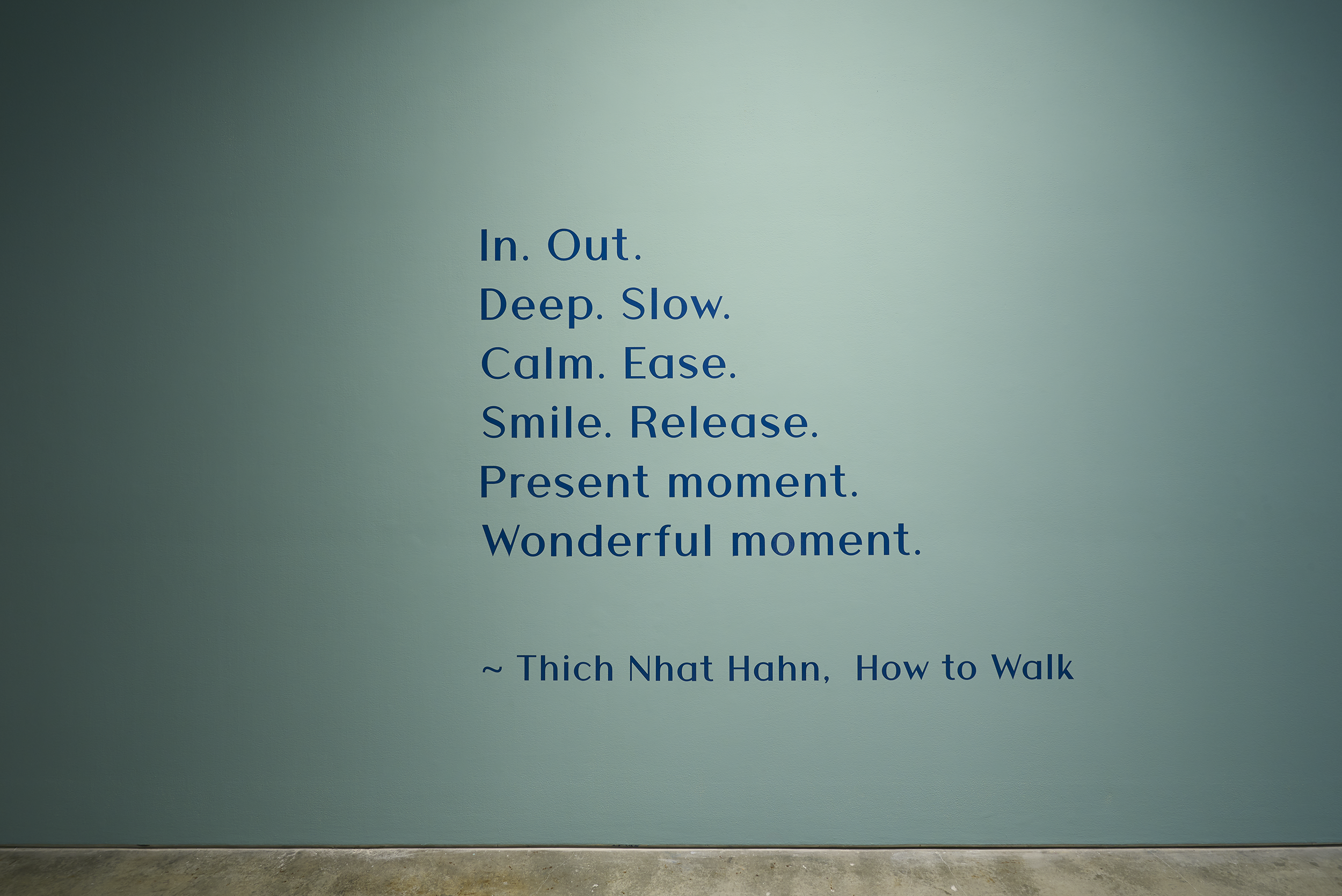
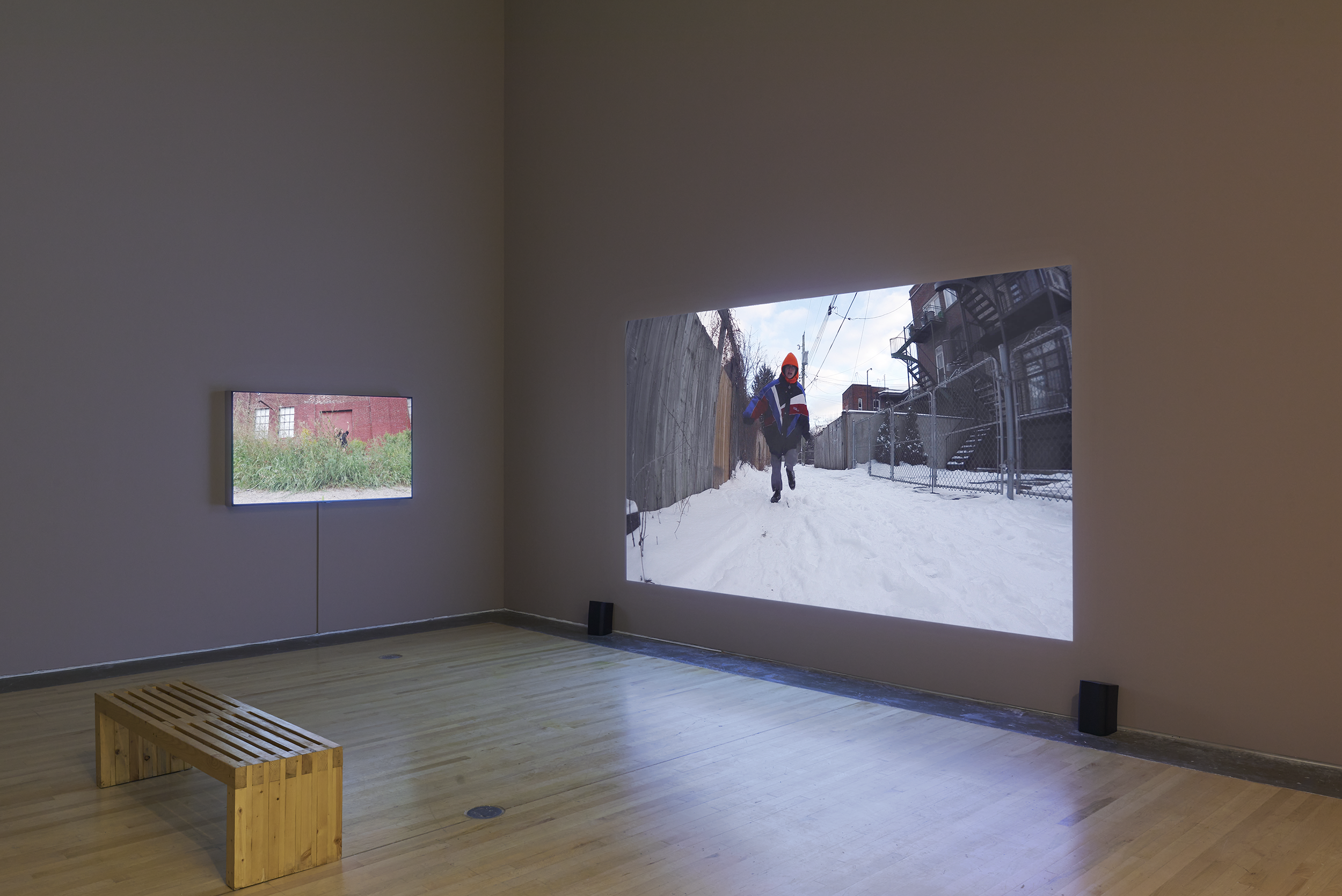
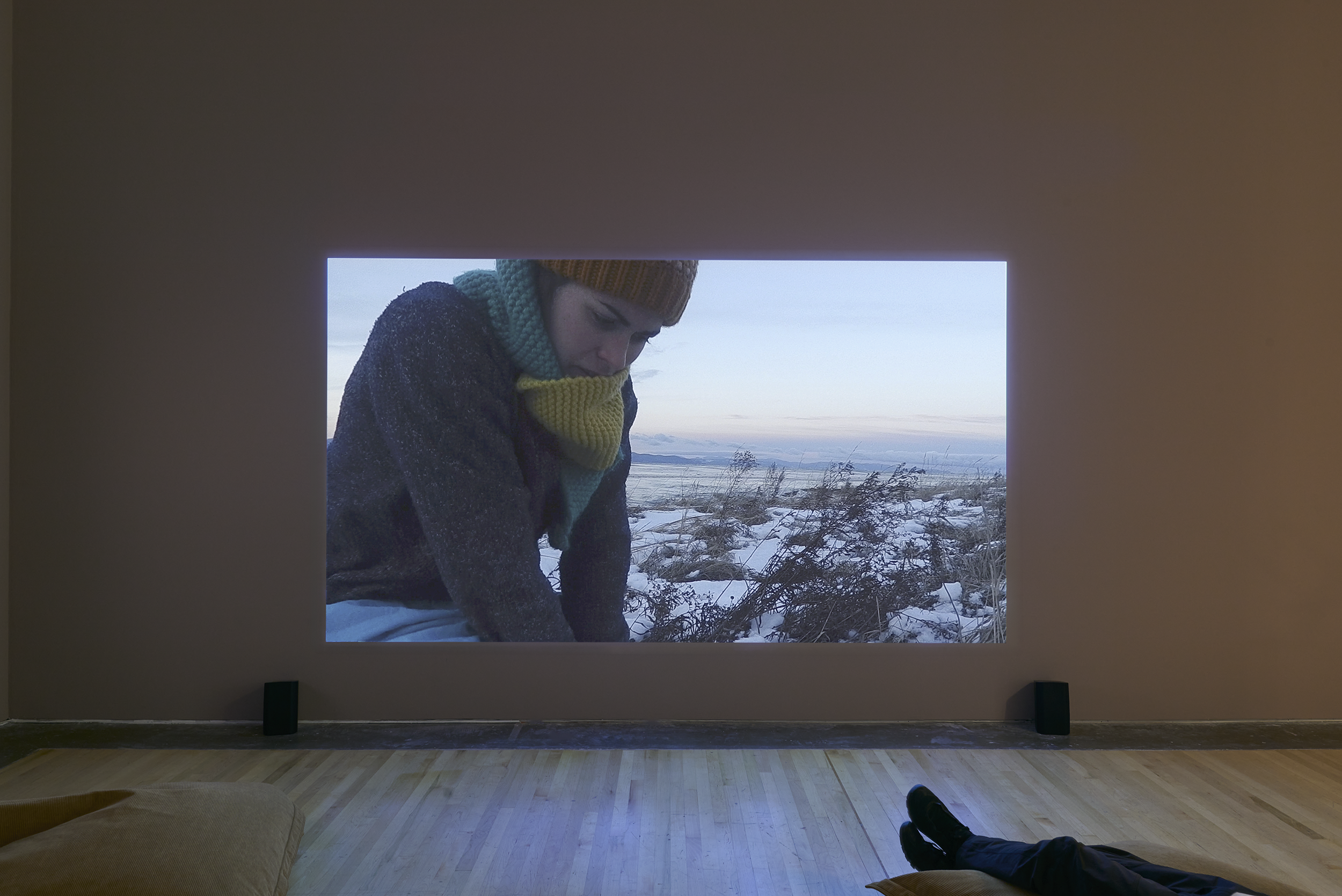
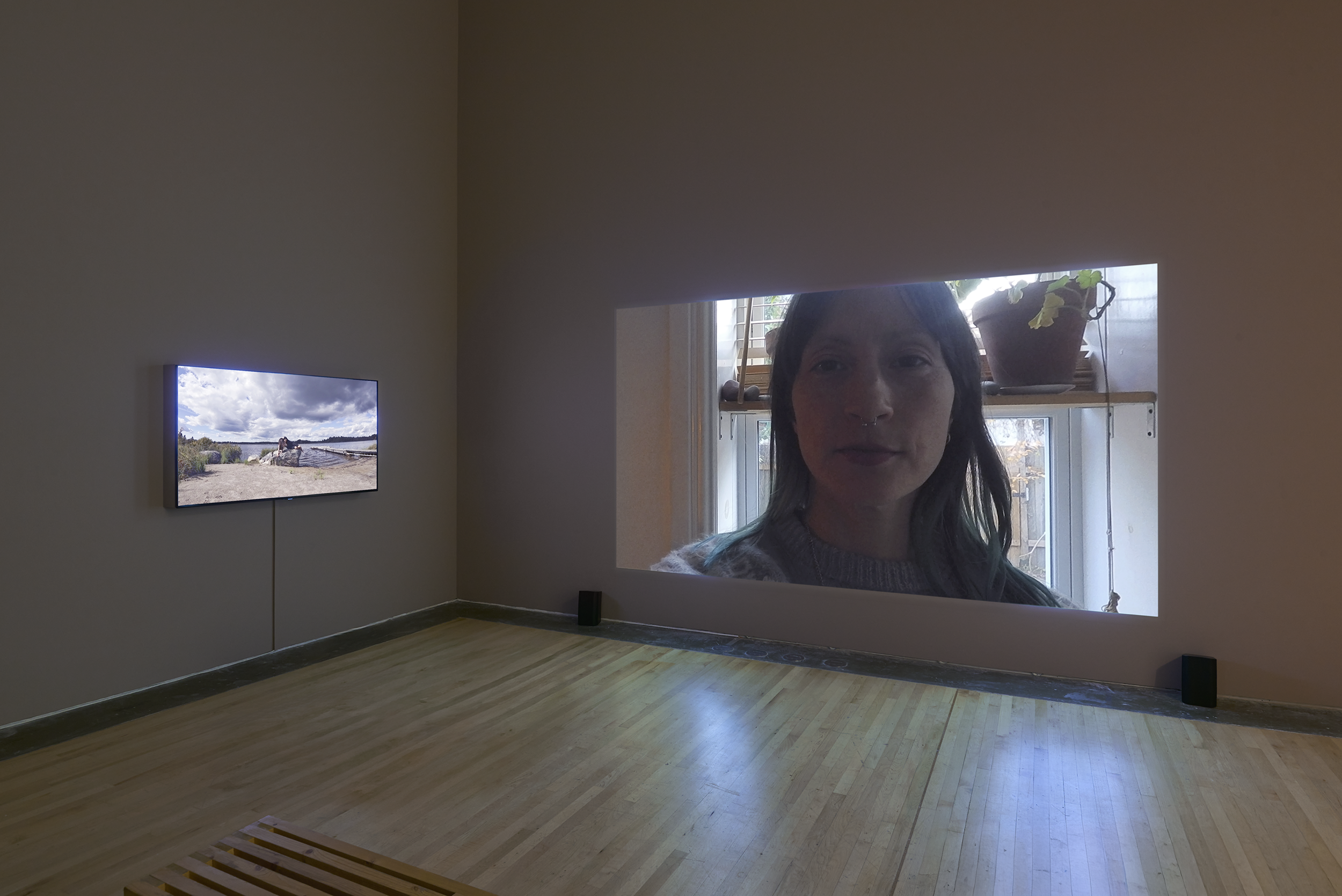
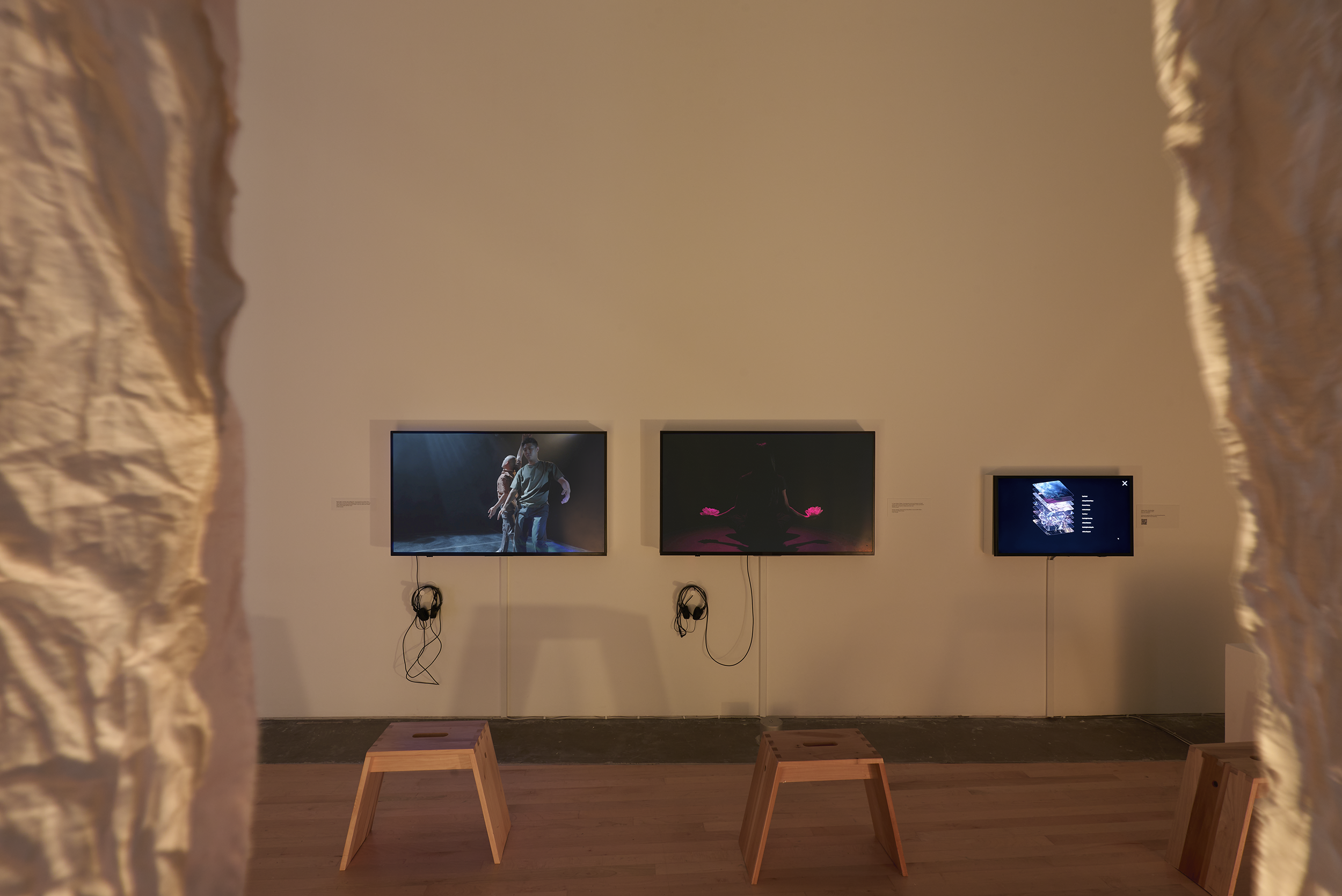
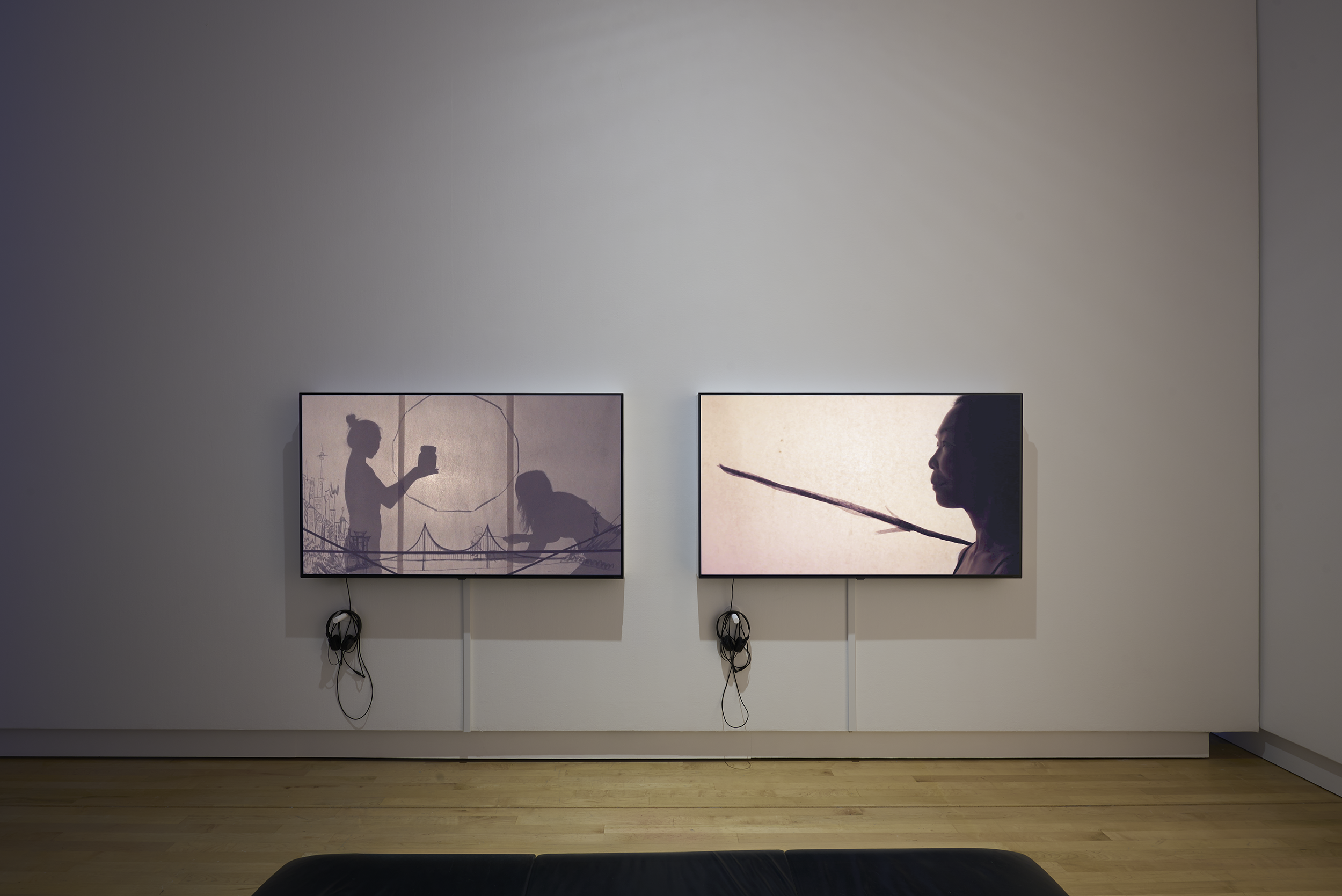
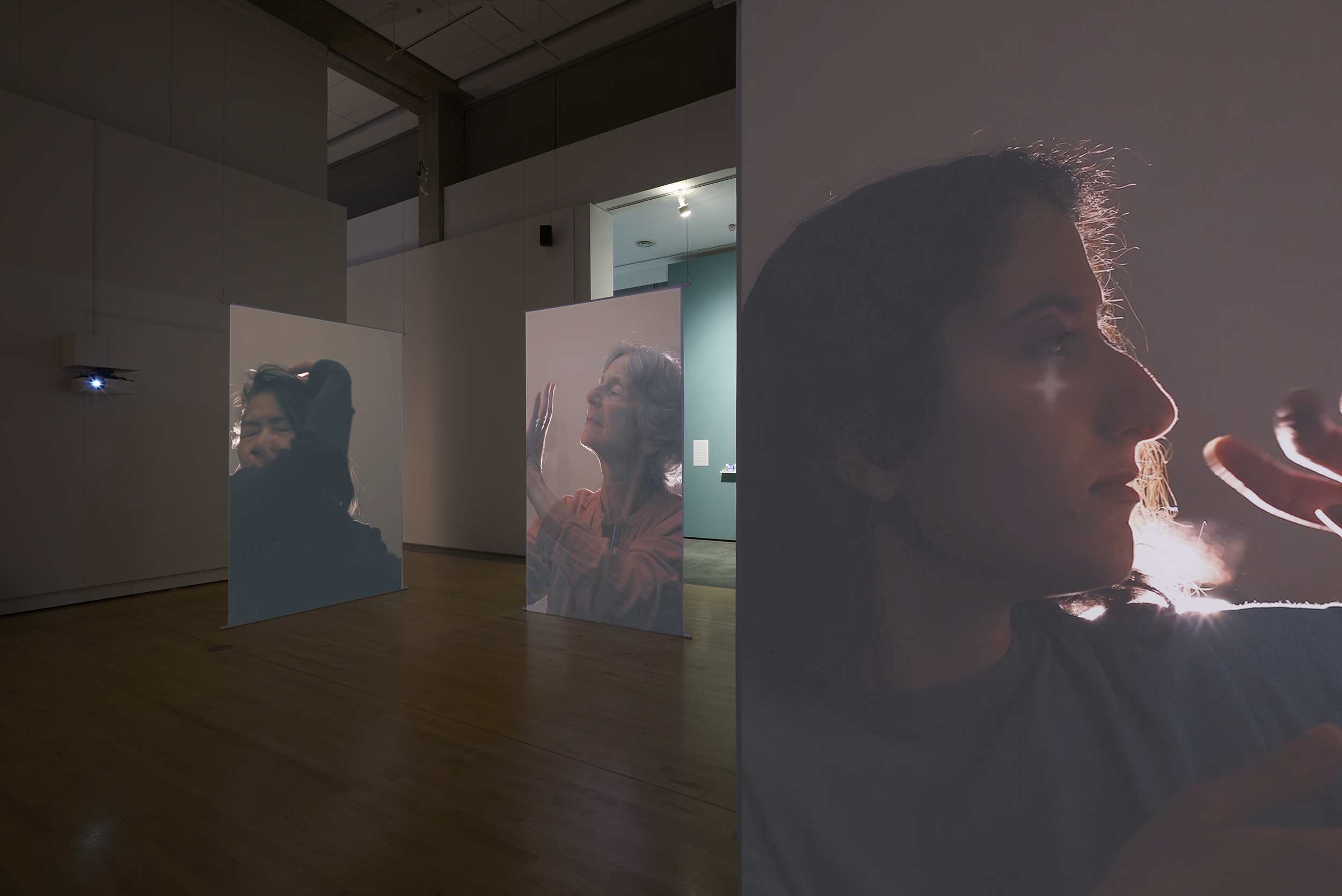
Through videos, sculptures, and dances in museums, Tanya Lukin Linklater thinks with weather, embodiment, and beingness to reckon with histories that affect Indigenous peoples’ experiences. Lukin Linklater’s 2021 two-channel video installation, Sensation is a circuit of experience, a circuit of the felt traveling in and adjacent to the body, engaged four dancers to respond to concise texts and instructions (which can be understood as scores) through physical investigations for the camera. Guided by Linklater’s practice of embodied inquiry, the dancers made videos in geographically dispersed locations under diverse conditions. Linklater’s textual prompts were meant to create a means of support for collective well-being under the constraints of social distancing during the pandemic, offering gentle instructions to attend to daily practices of listening, breath, sensation, and embodiment. Through deep noticing and sensing, the dancers respond to their surroundings, and attune to the boundaries of public and private space and the ways in which we become in-relation with a place.
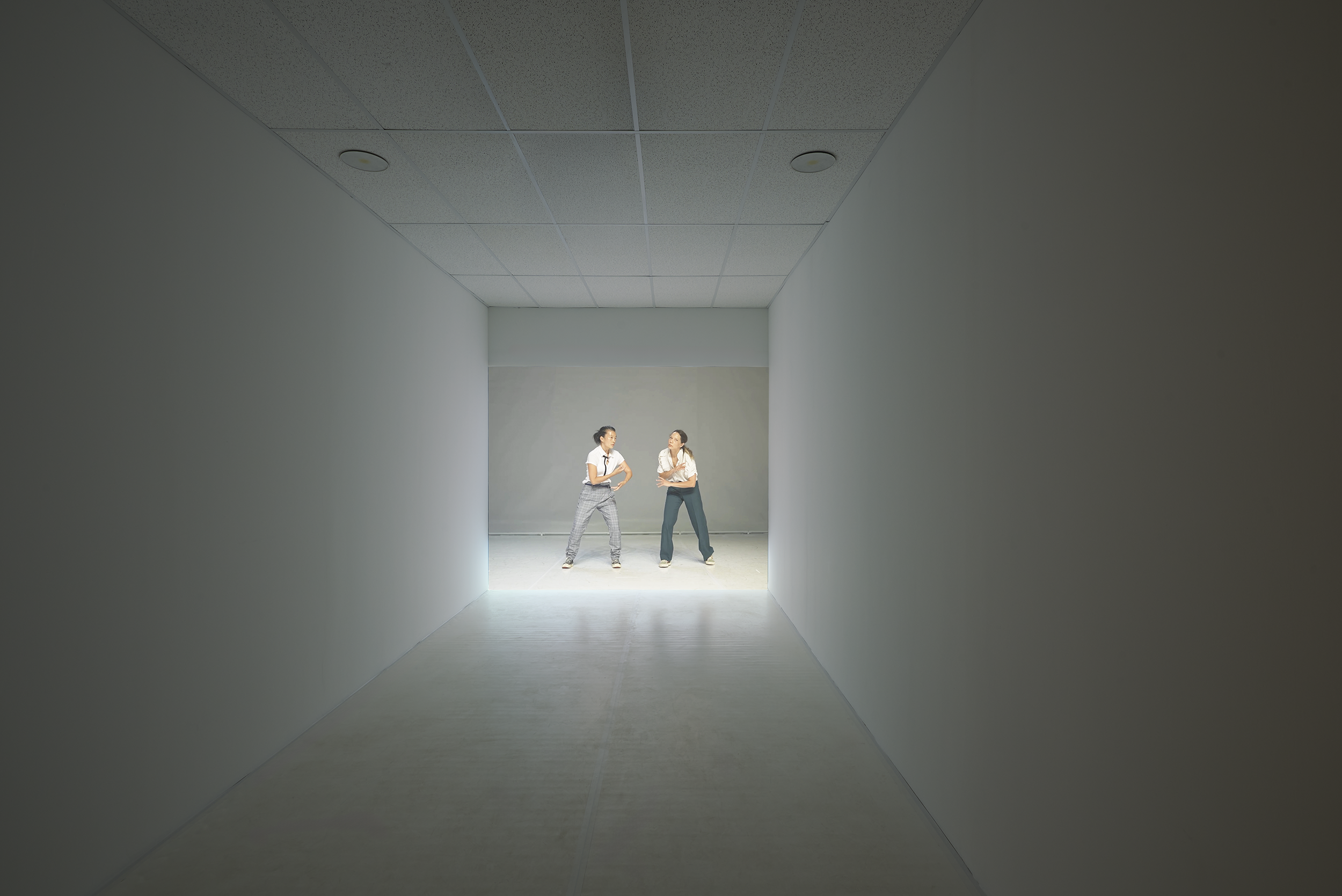
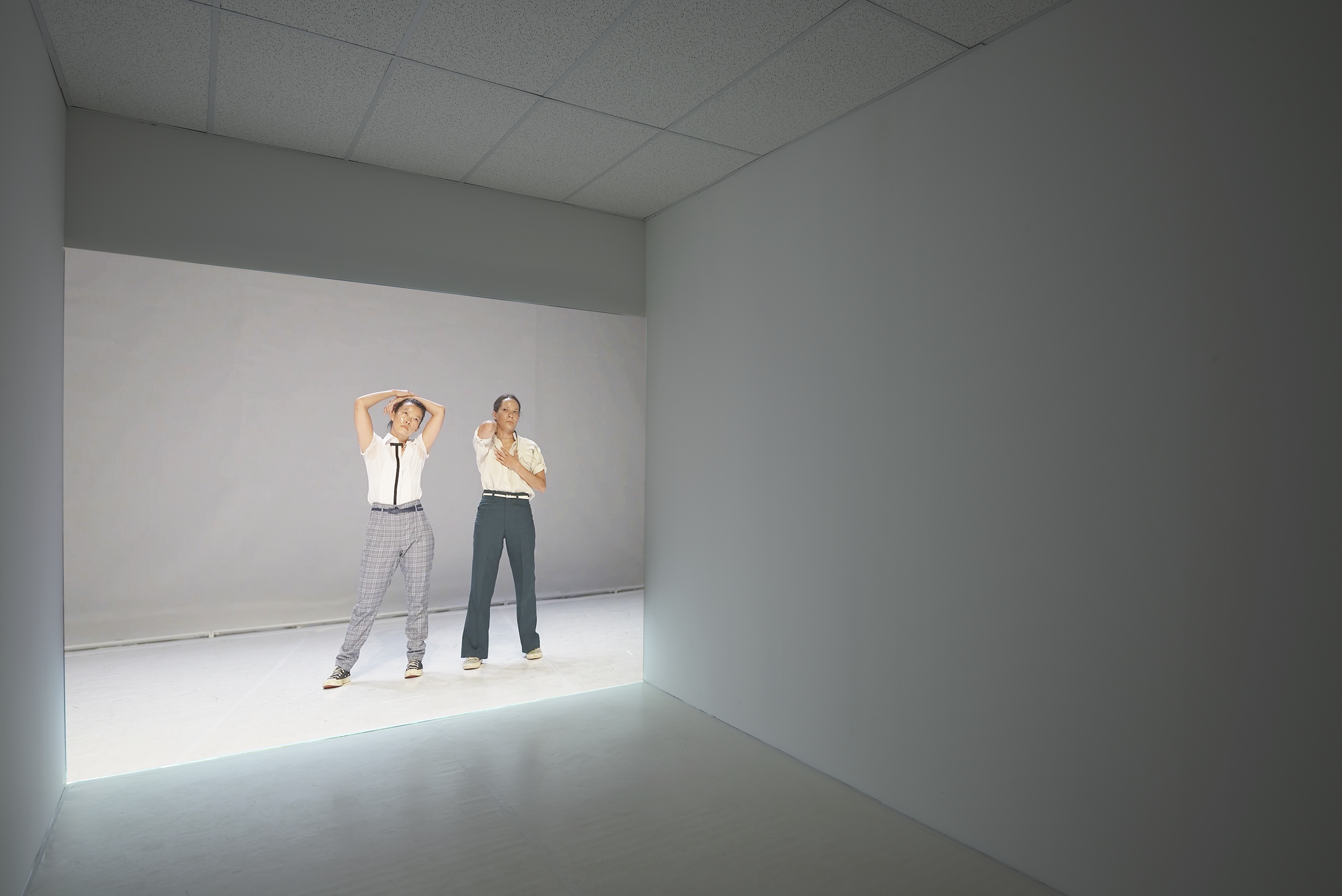
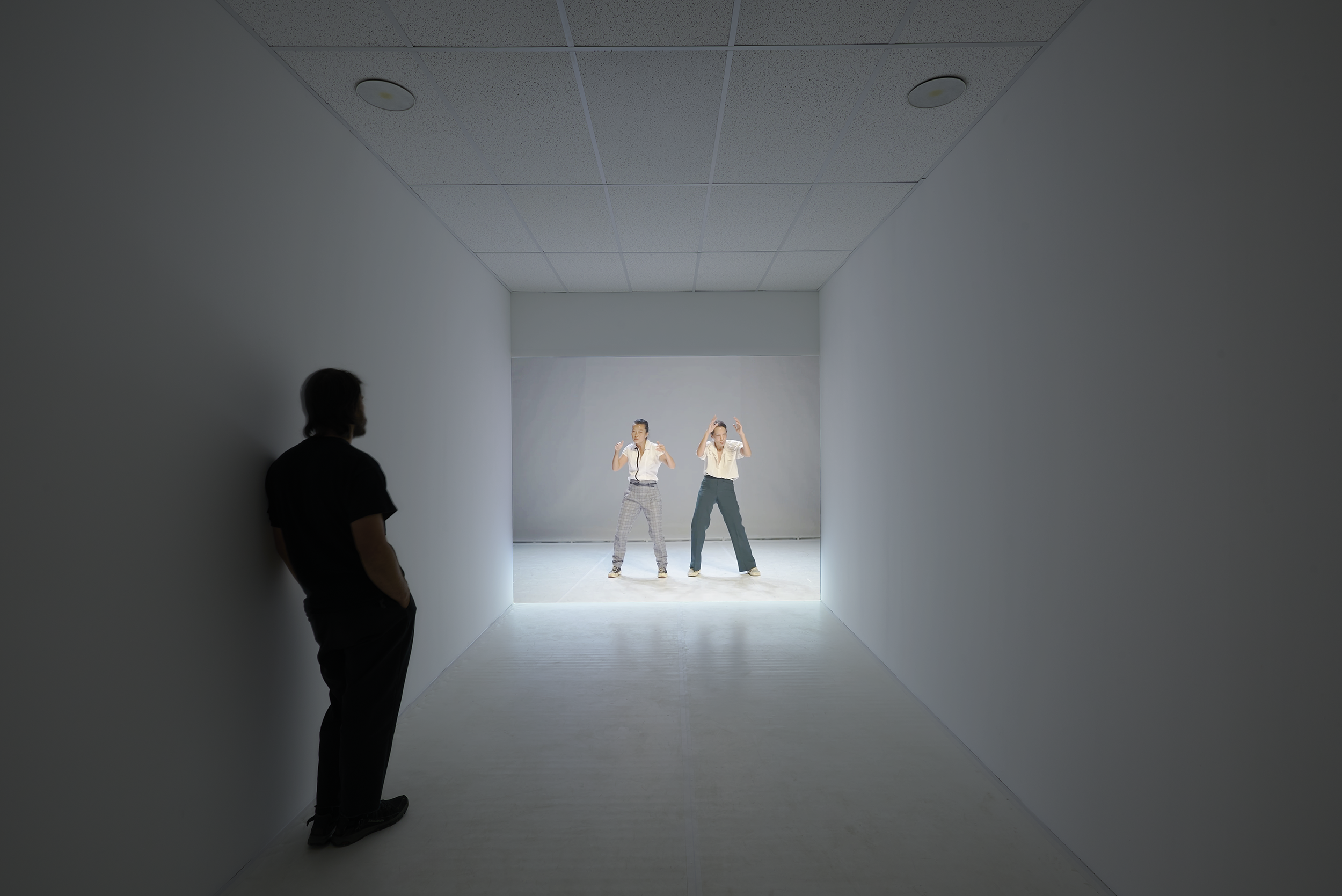
Driven by a powerful drumbeat and pulsing light, Justine A. Chambers and Laurie Young’s One hundred more (2024) is an immersive video room created to scale with the viewer’s body. The video offers the dance artists’ investigation of gestures of resistance as women of colour and mothers, performed for the camera, side by side. An inquiry into the politics of movement, the work is informed by our current socio-political climate and the Black Lives Matter (BLM) movement, which has produced an upsurge of racialized bodies resisting, incessantly recorded, and replayed in the media. One hundred more expresses the dancers’ allyship to iconic gestures of resistance like the universal “hands up, don’t shoot” gesture used in BLM protests. Their hands are always activated, never at rest, and always ready. The dancers create experiential variations of minor gestures using rhythm and repetition to offer a reshaping of all-too-common antagonistic human interactions and to express empowerment within their own actions.
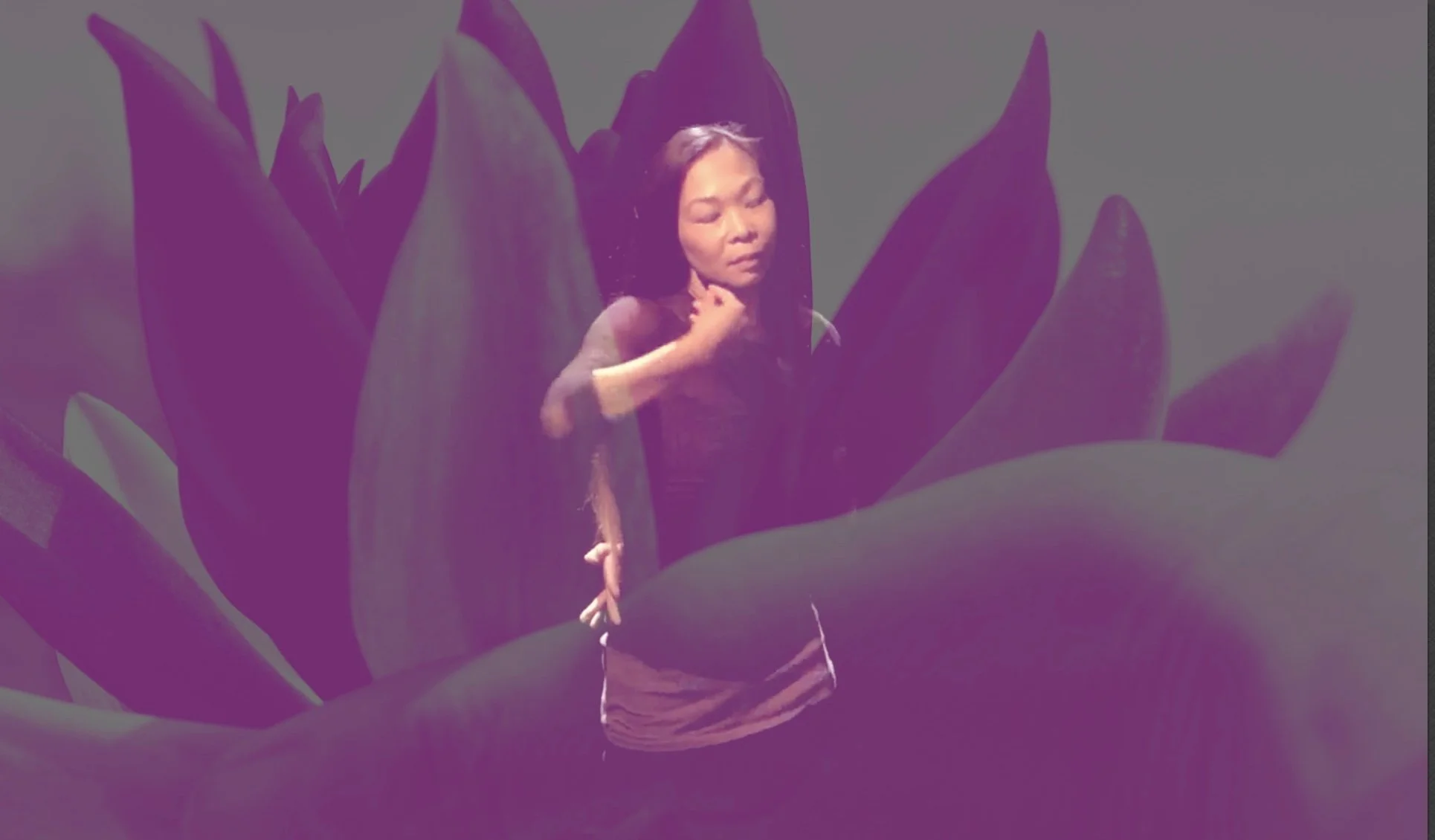
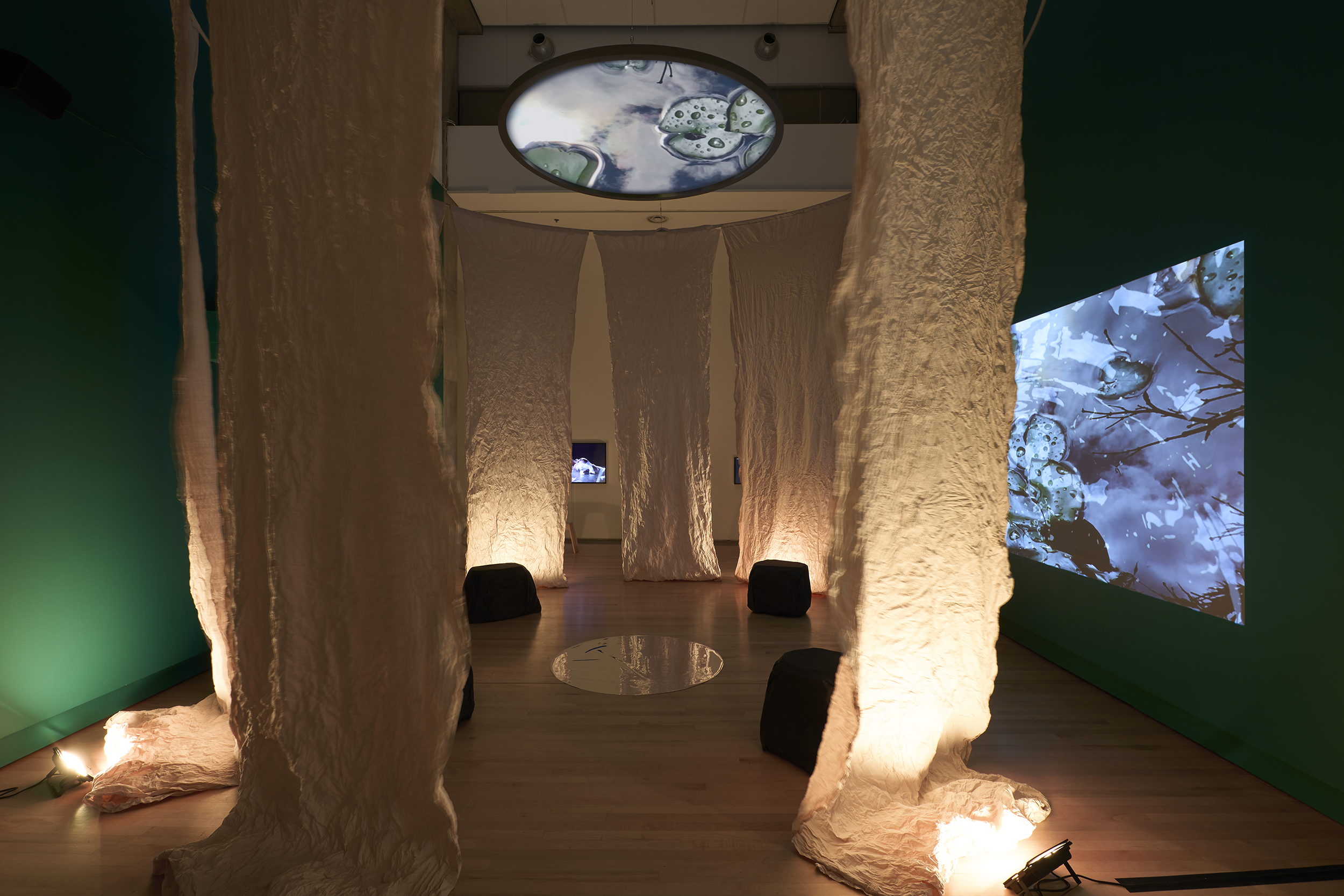
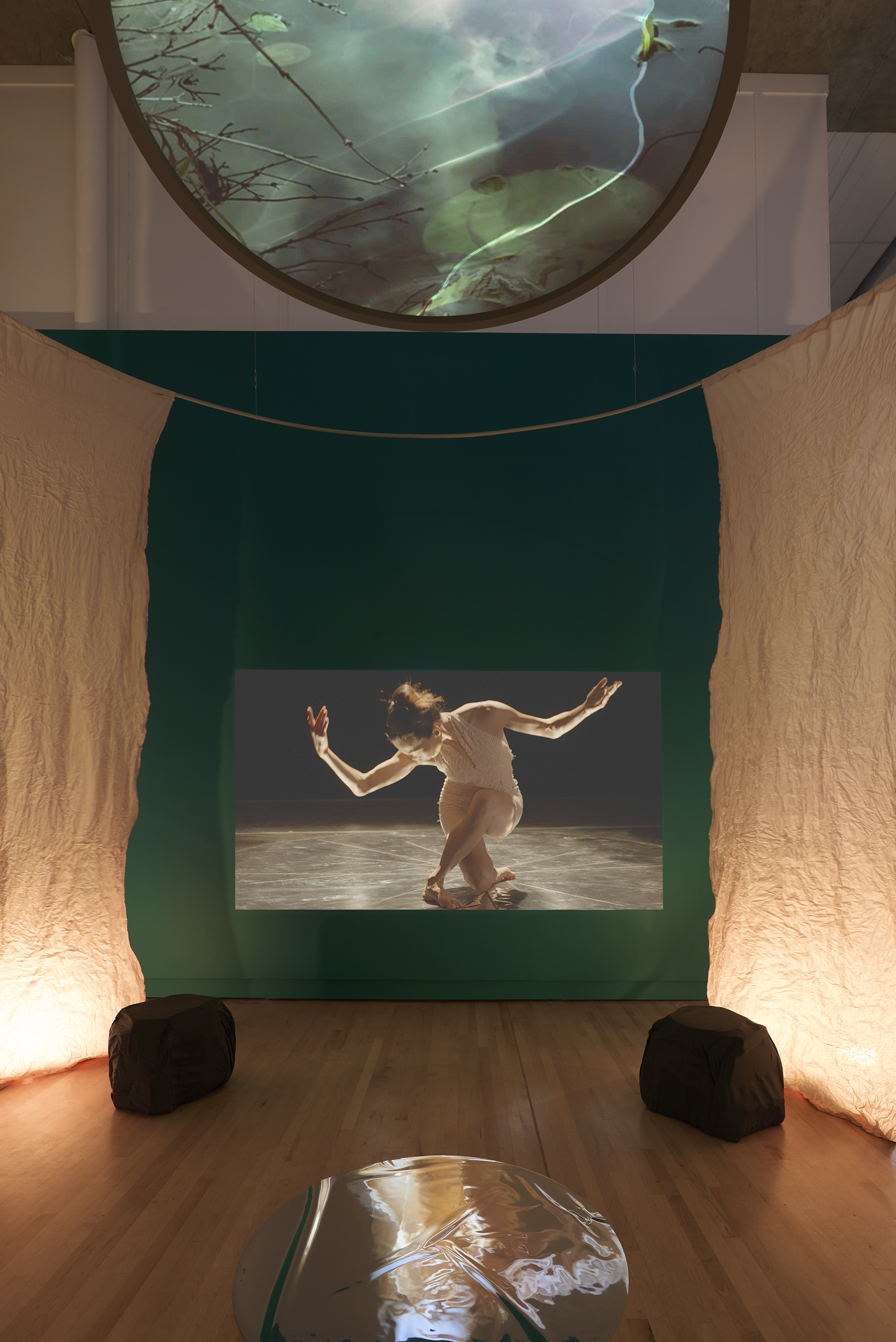
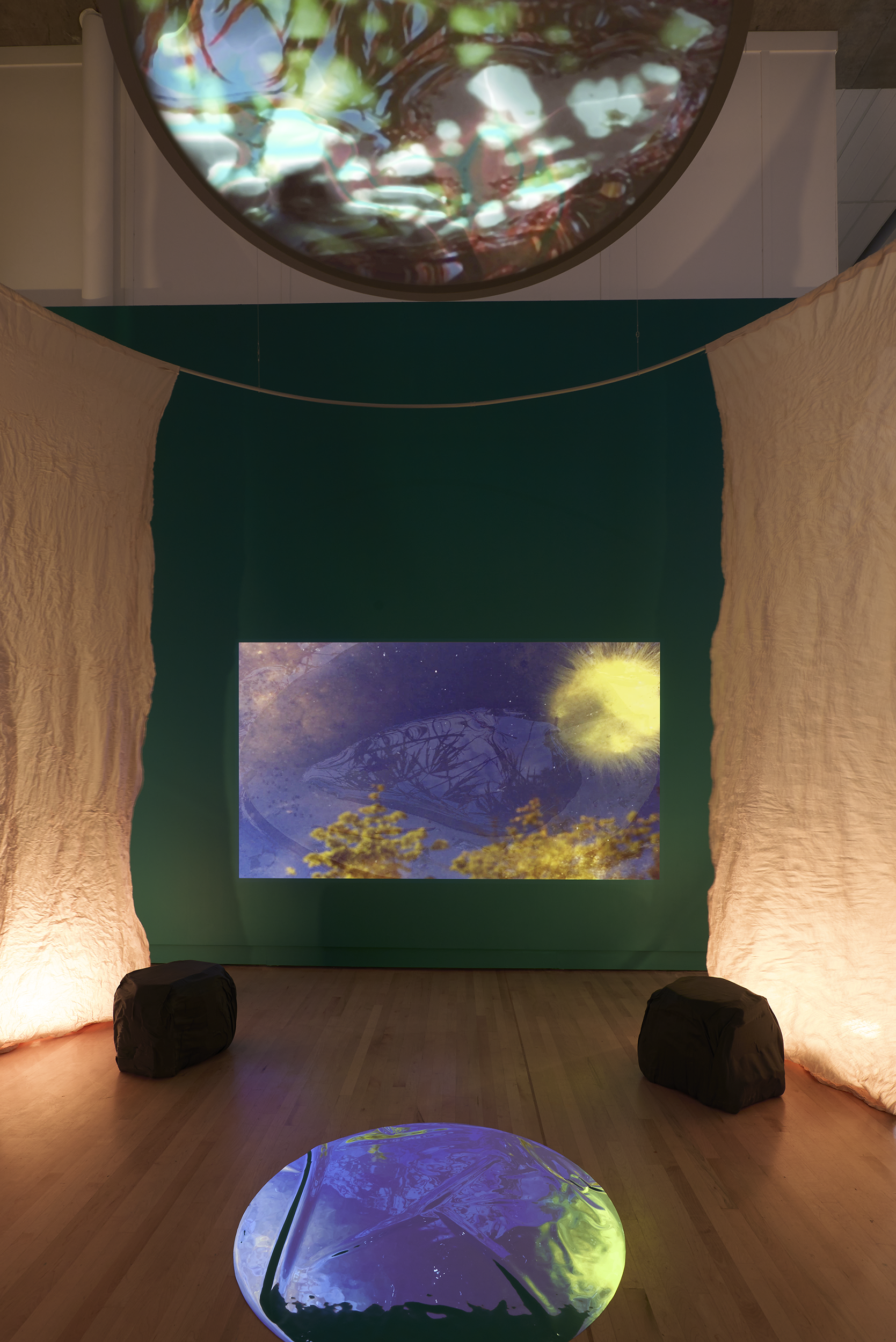
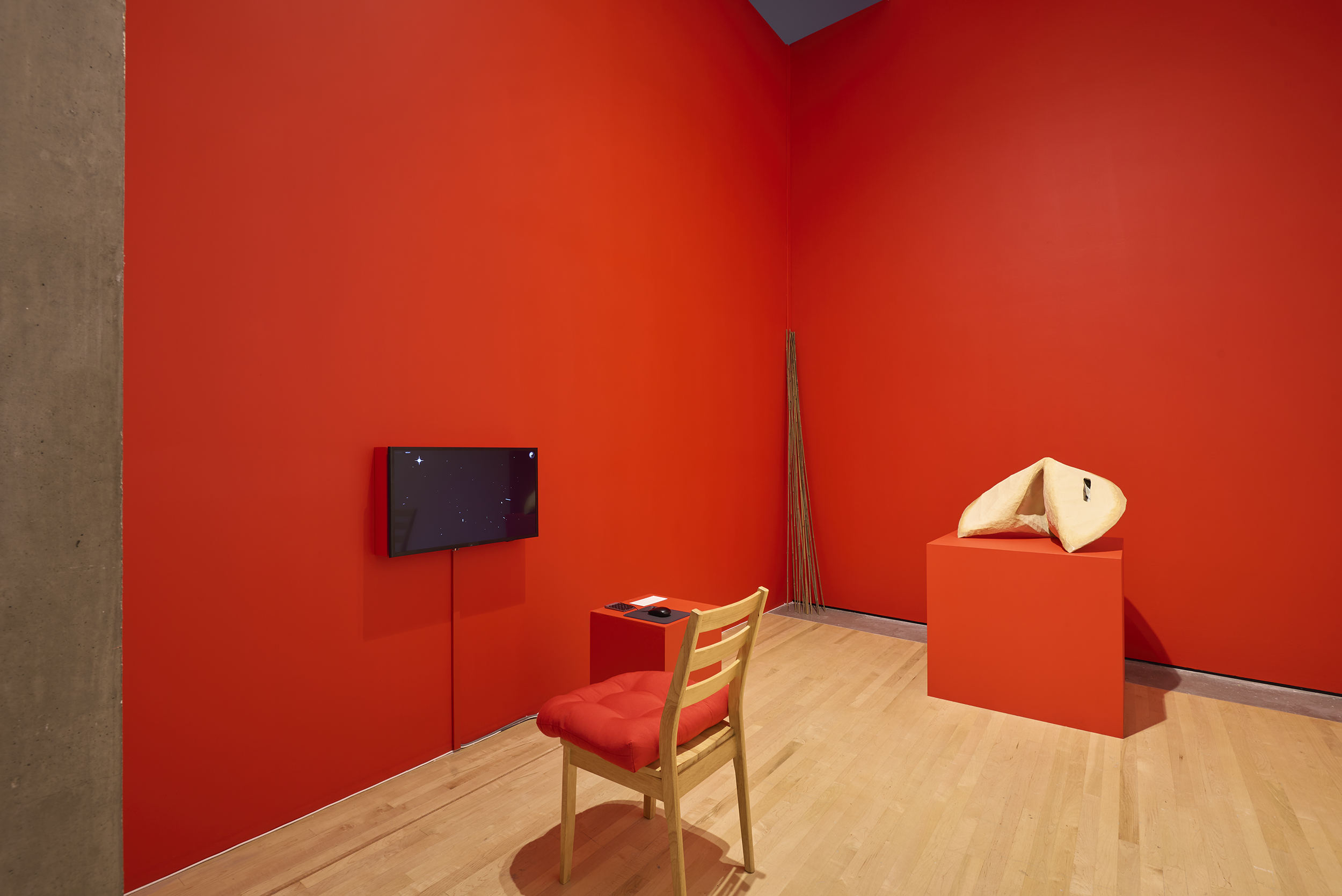
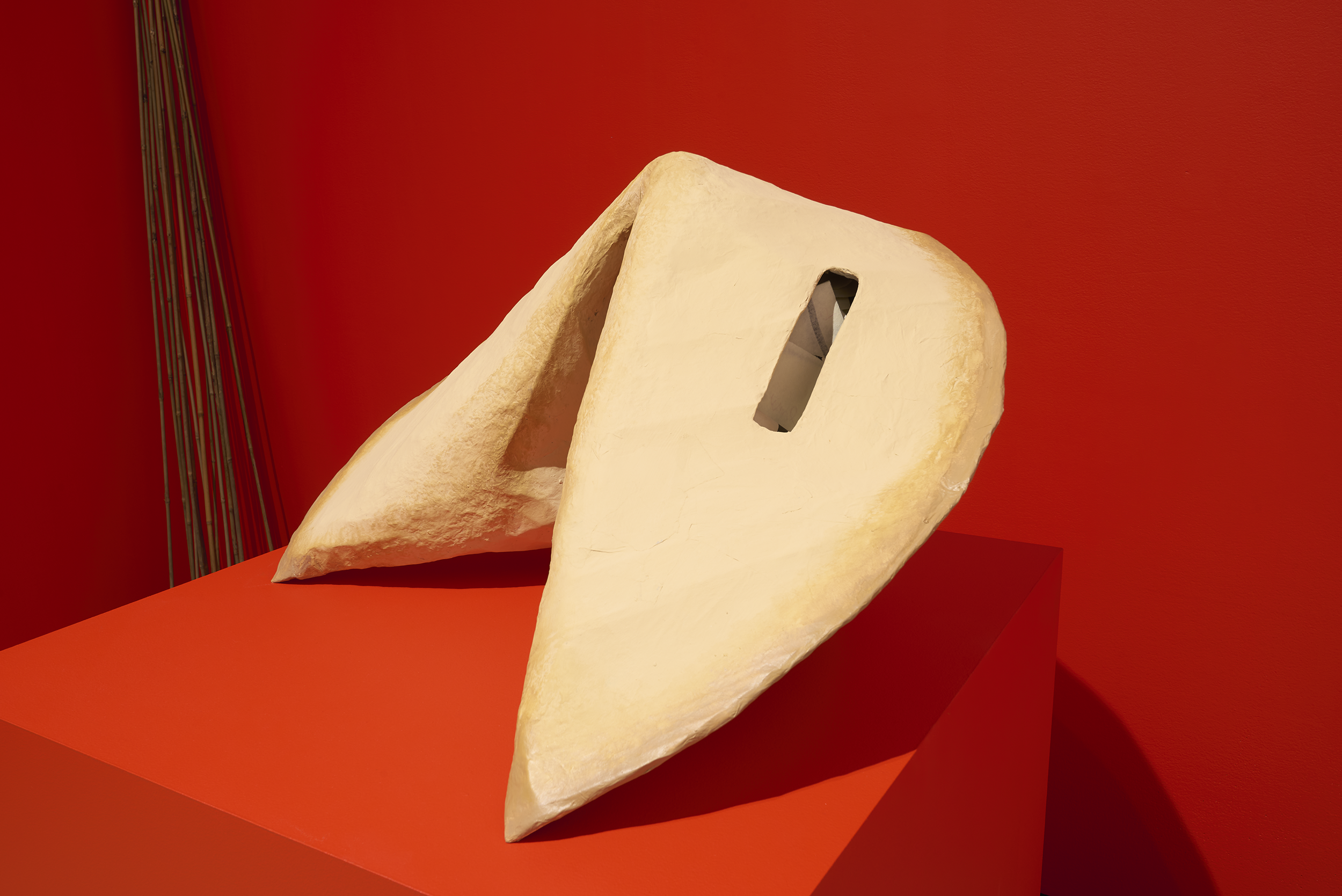
In a reimagining of two interactive web-based works Firehorse and Shadow and All of Our Dreaming, Andrea Nann and her collaborators invite us to immerse our bodies in a poetic landscape of dance, relationality, and story. All of Our Dreaming encompasses multiple realms expressed through shimmering imagery, sensory engagement, spoken narration, and movement gestures in collaboration with other choreographers, dancers, and musicians, and Nann’s own father. Each realm shares experiences of loss, love, aging/coming into age, and life change through cycles of movement and spoken stories that weave together with the river and the pond as consistent motifs. Illuminating often untold stories centered on the lived experiences of Chinese Canadian women, the web-based experience of Firehorse and Shadow combines elements of contemporary dance, shadow puppetry, animation, video, and theatre to explore cosmology, family histories, relationships, Chinese medicine, wellness, food, and fate. As an installation in the gallery, this multi-dimensional work also includes a larger-than-life fortune cookie that acts as a vessel for visitor’s memories and hopes for the future.
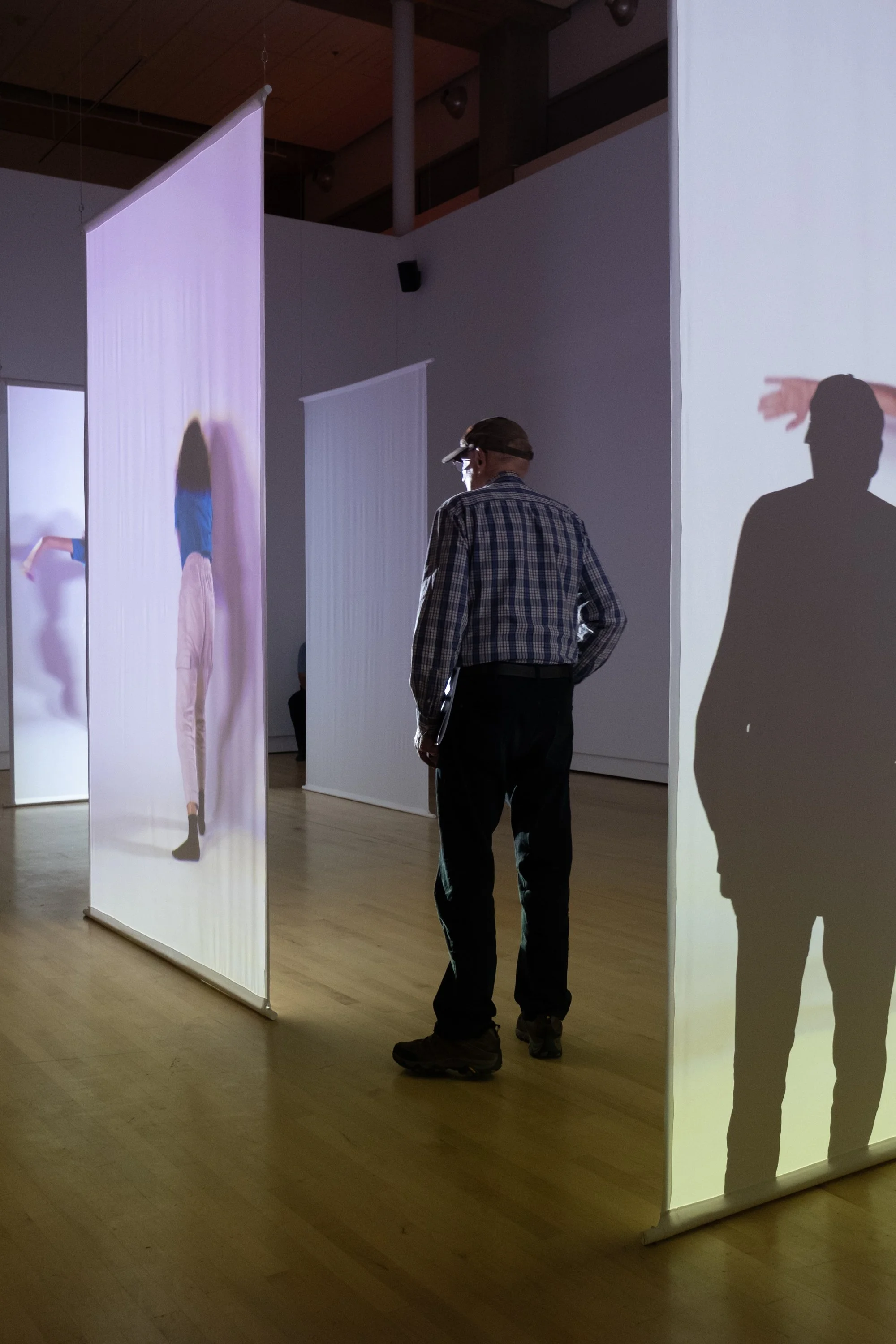
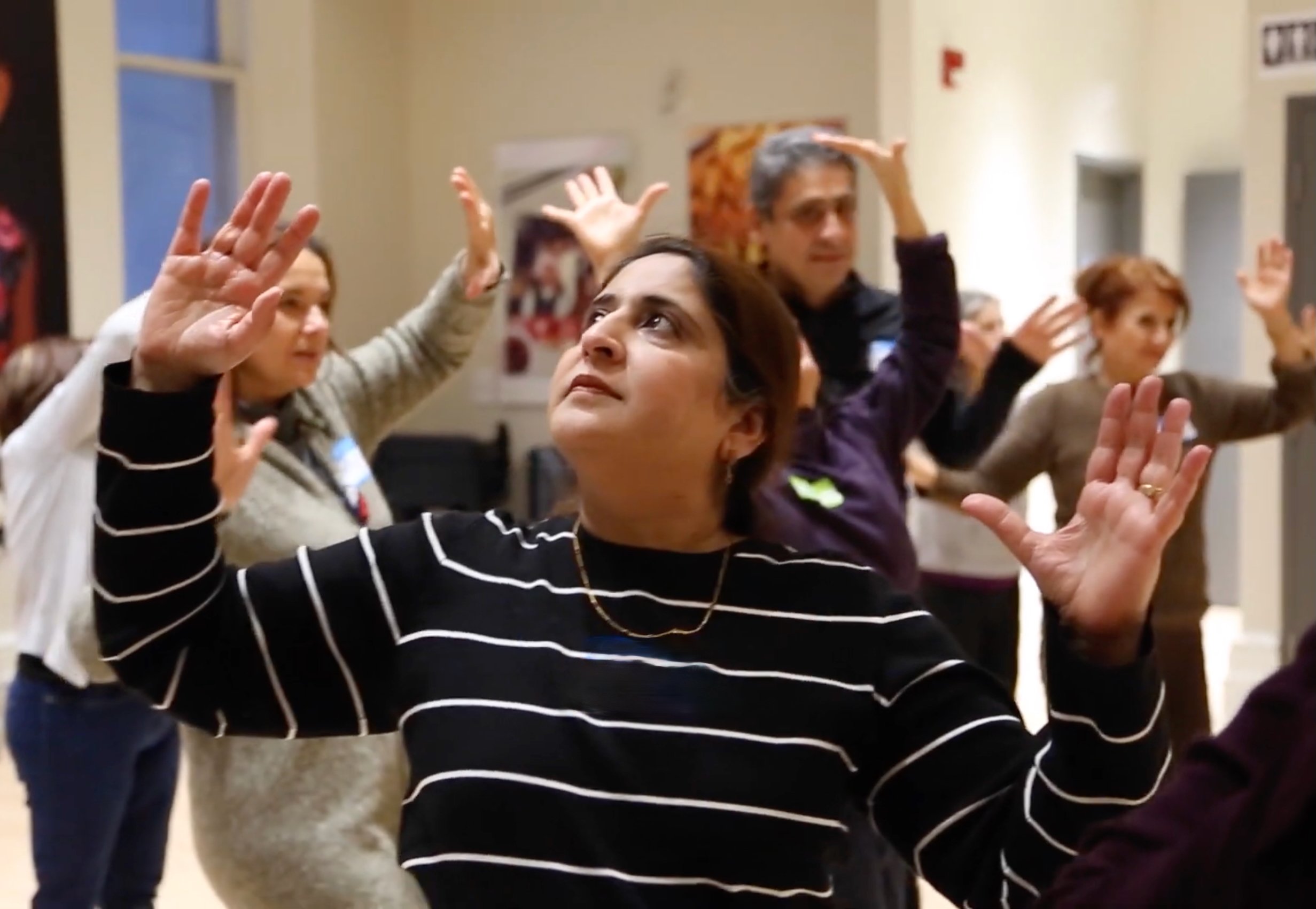
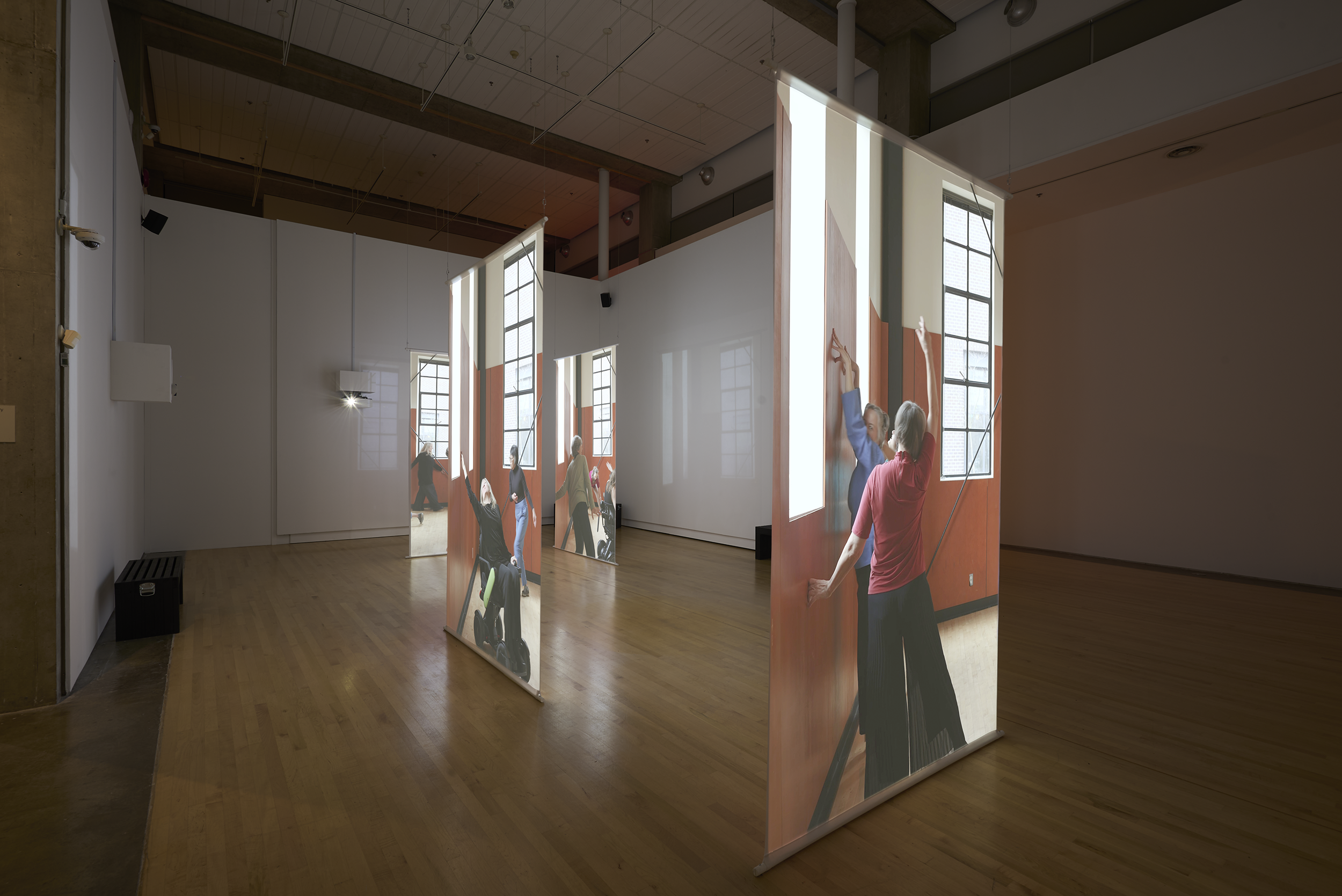
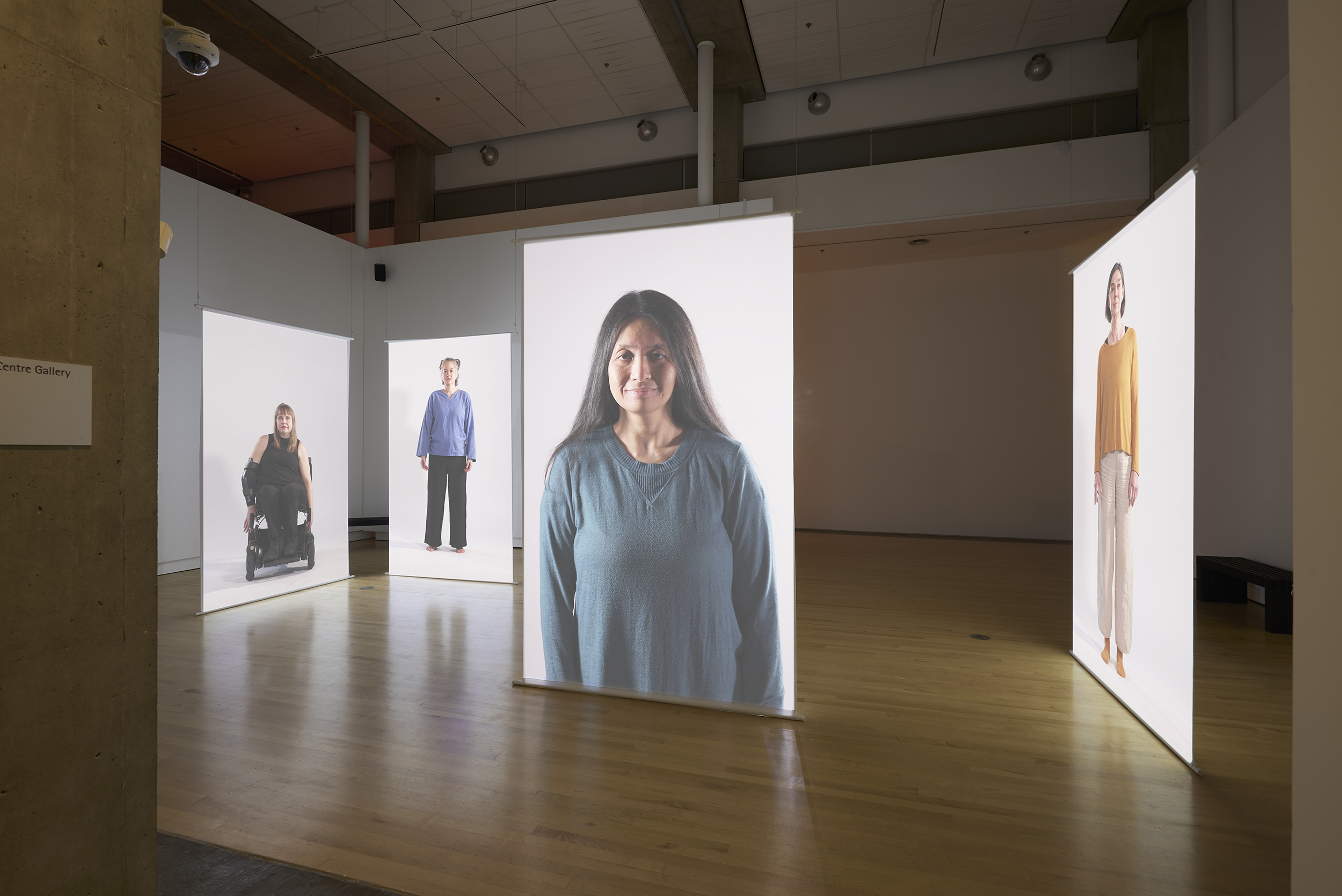
Luciana Freire D’Anunciação’s video installation Becoming (2025) is performed by a group of non-professional dancers, the Roundhouse Community Dancers, and explores the human experience of memory and impermanence through four simultaneous video projections. Conceived and guided by D’Anunciação, the dancers started the process through writing and developed improvised movements by mirroring and echoing each other. Becoming emerged from trust and a process of seeing and being seen. The resulting sound and video installation fragments the self, time, and space, evoking the elusive and dream-like nature of memory, which is non-linear, fractured, and interwoven with fiction. Together, the video and soundscape are an offering for the viewer to explore a layered multi-sensory immersive environment with their own body.
Well-known interdisciplinary artists who have fused dance, choreography, visual art, and filmmaking in their work, including Canadian artists Françoise Sullivan and Helen Goodwin, and American artists Merce Cunningham, Yvonne Rainer, and Charles Atlas, to name a few prominent examples, forged new possibilities within the traditional limits of dance and visual art through experimental collaborations that radically pushed the boundaries of these discrete disciplines. The rich dialogue and exchange of ideas between dance and visual arts that emerged in the mid twentieth century is ever present today, generating a resurgence of responsive choreography and performance for the camera, envisioned as dynamic multimedia installations within a gallery context.
Dancing through to the other side asserts our interconnectedness and emphasizes art as a corporeal experience. The works attend to a spirit of cooperation and reciprocity and illuminate the imperative of embodied practices for expressing and understanding one another. In an increasingly polarized post-pandemic world, with the rise in xenophobia, racism, and homophobia deepening divides, the coalescing of movement-based practices in this exhibition reminds us of the human connection available through embodiment.
The artists amplify the body as a living archive, centering corporeal notions of time and felt experiences of remembering, and assert the body as a political and social force of human agency and action. Always collaborative, and in relation to others, these practices open other ways of knowing and impart knowledge that is never separate from context and always requires a body to know. By expanding our perceptions experientially, through an embodied understanding, is to witness. The gesture, the breath, and the choreographed story open other modes of expression and a vocabulary that defies standard dialectical accounts of knowledge and reason—moving us through to the other side of understanding.
This program is made possible with the generous support of the Audain Foundation, Jane Irwin and Ross Hill, and GK Sound.
A D D I T I O N A L R E S O U R C E S
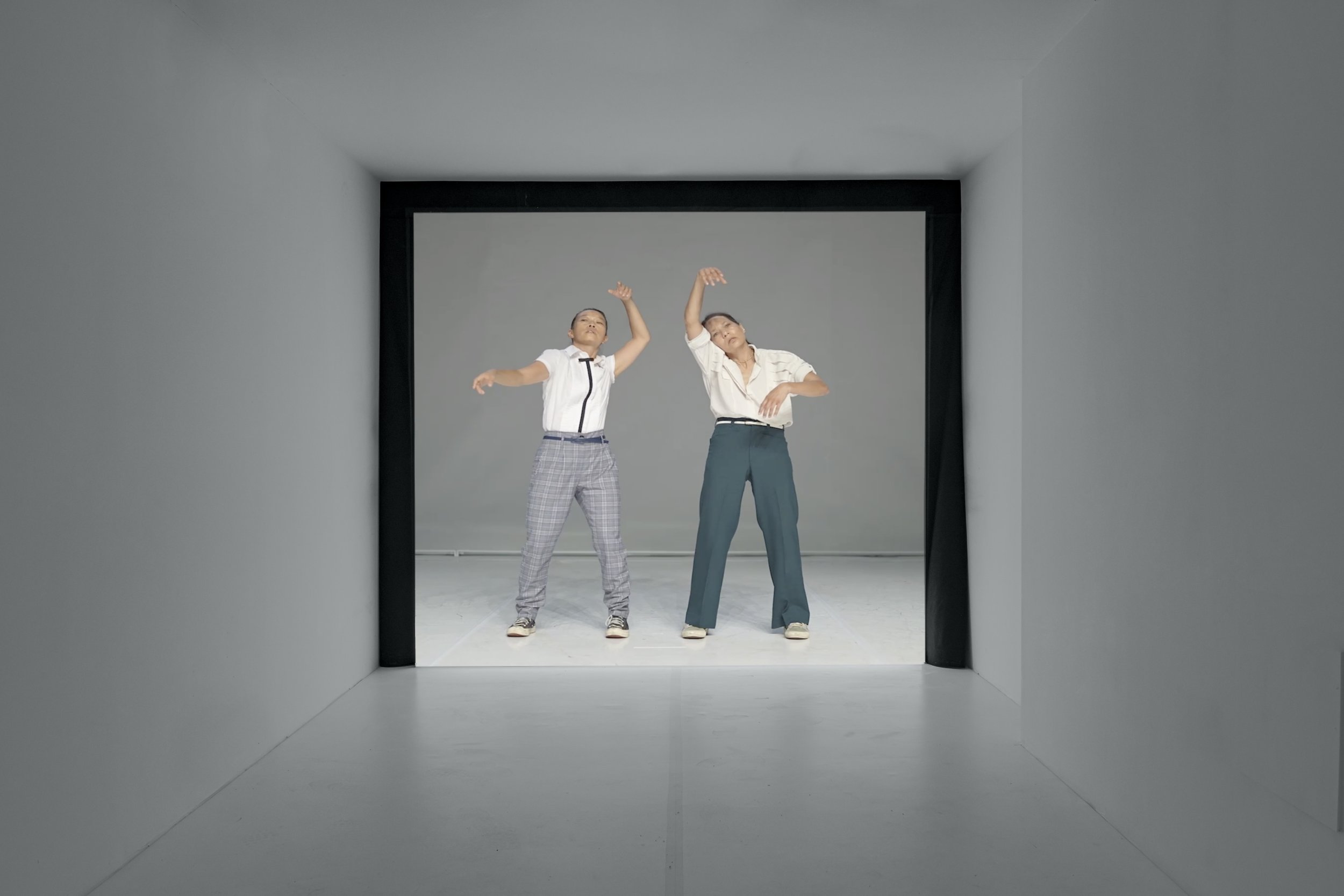
Justine A. Chambers
One hundred more, 2024
video installation
installation view, Toronto Biennale of Art