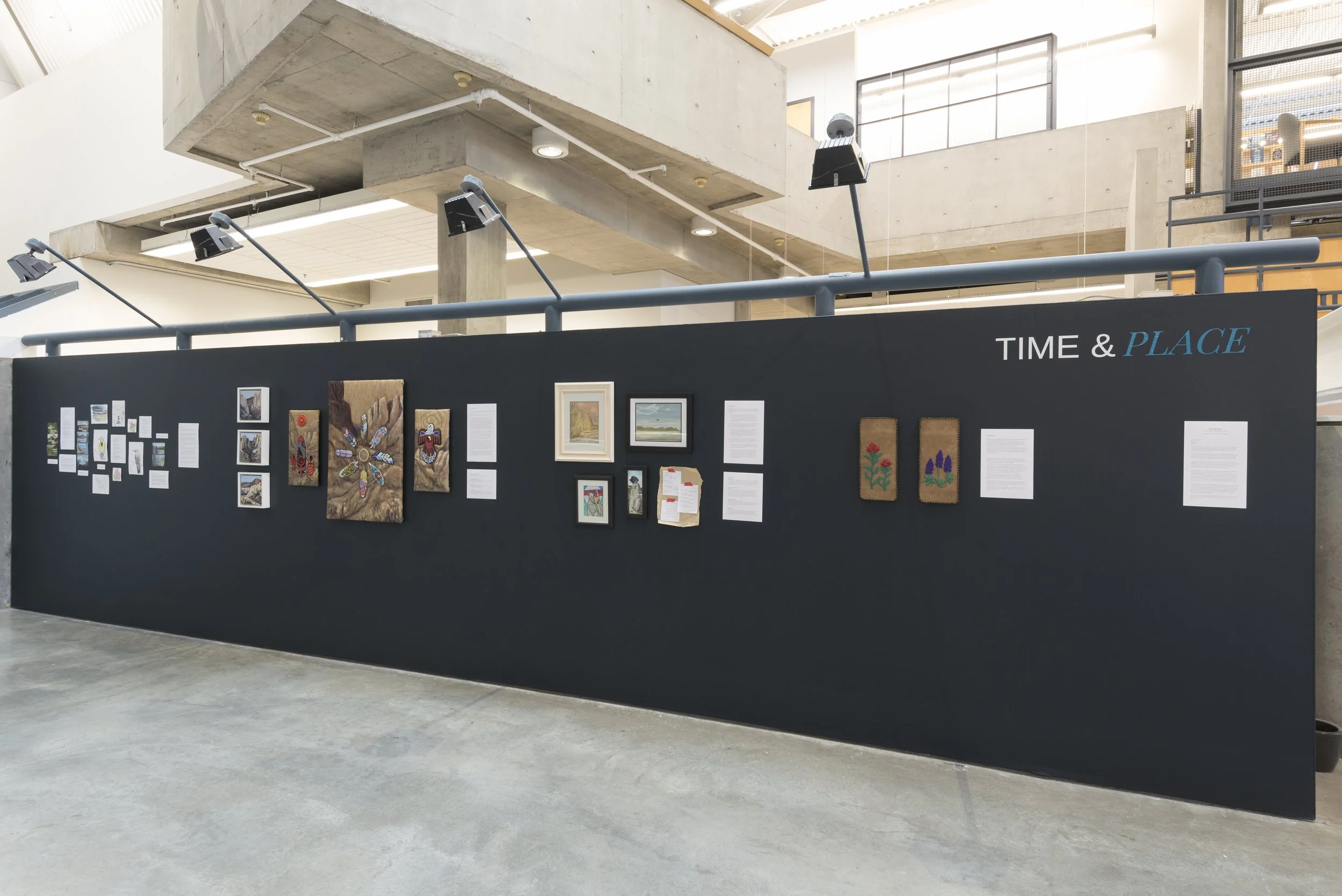
Time & Place
The Indigenous Resurgence Project
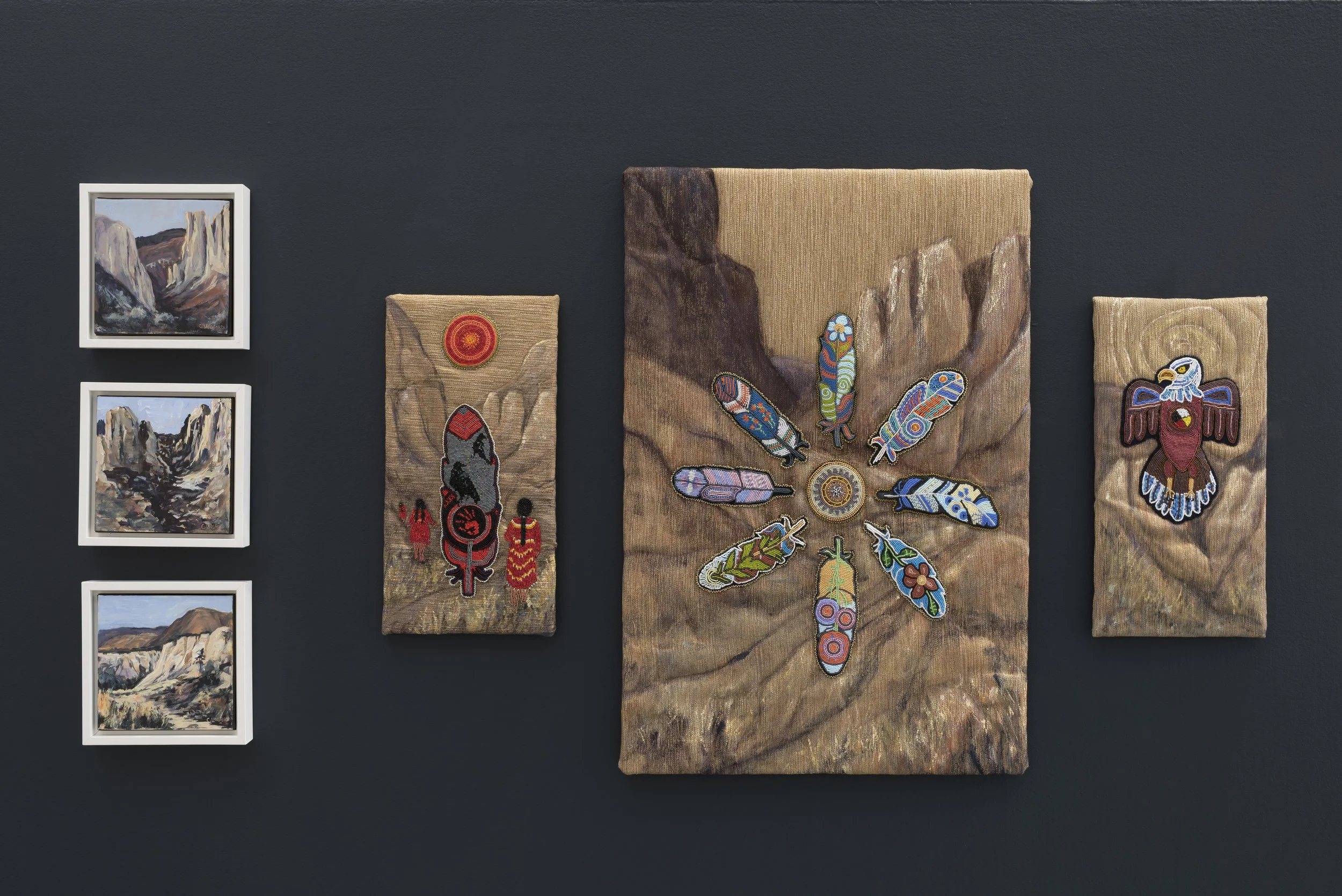
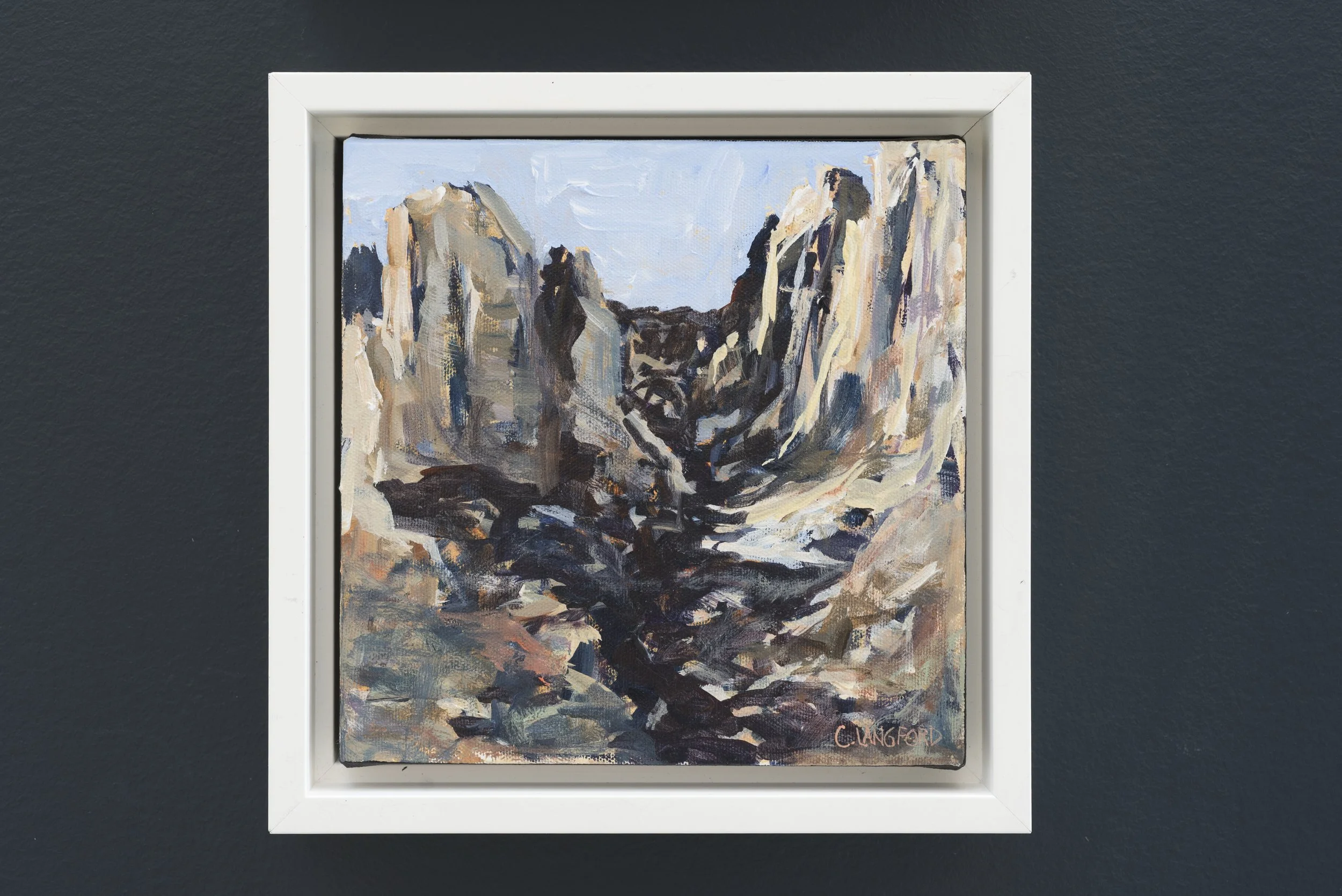
Cynthia Langford
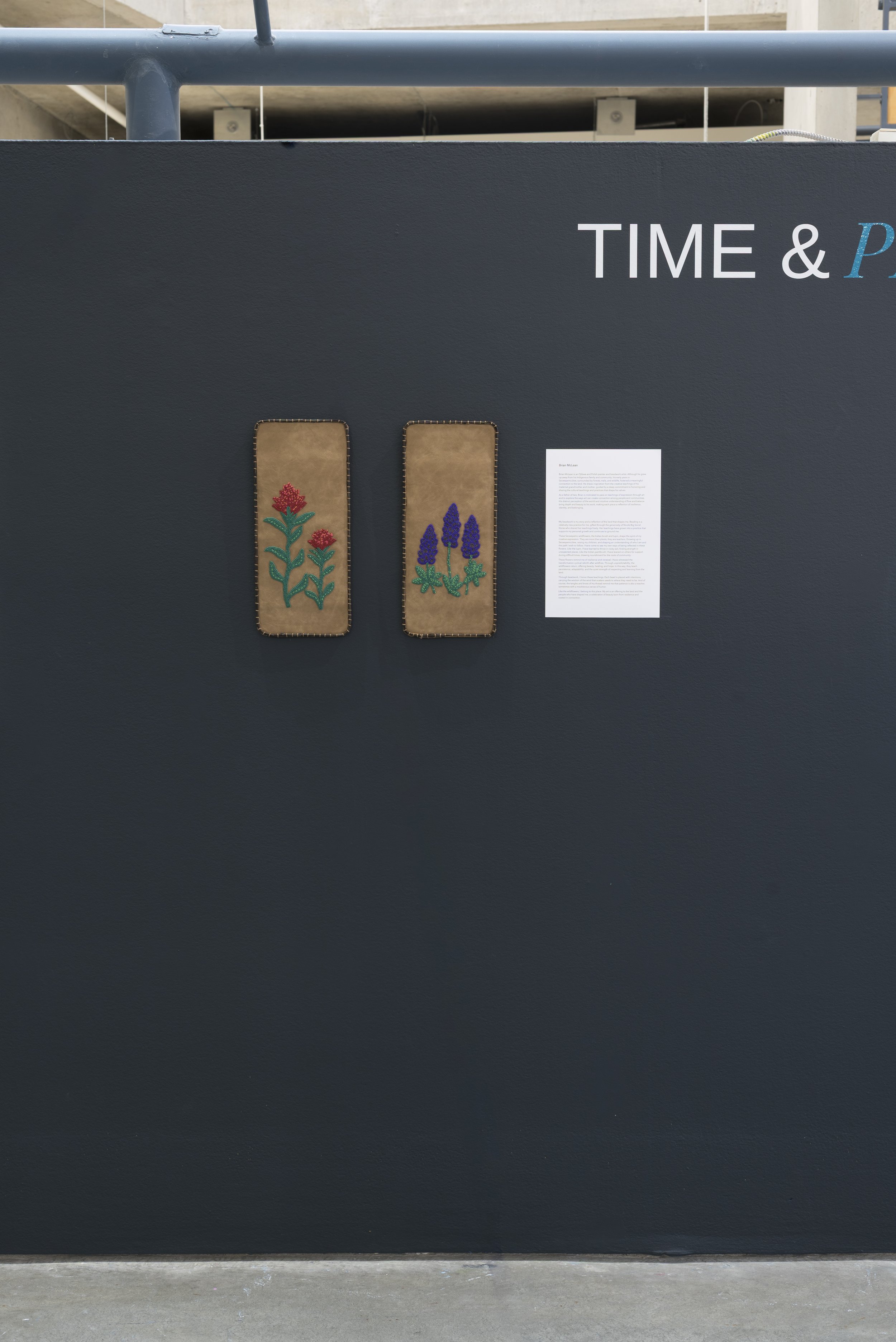
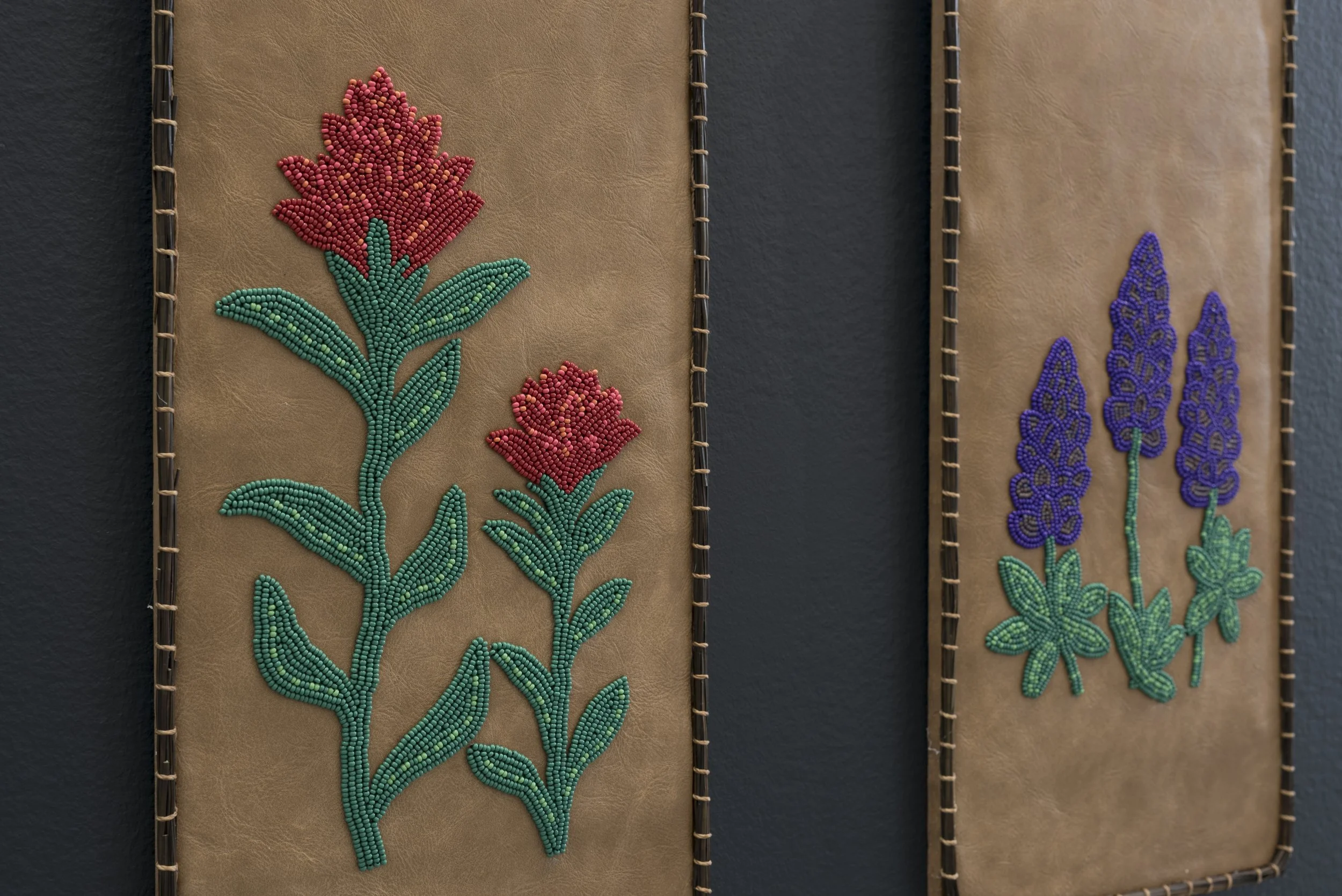
Brian McLean
Shay Paul
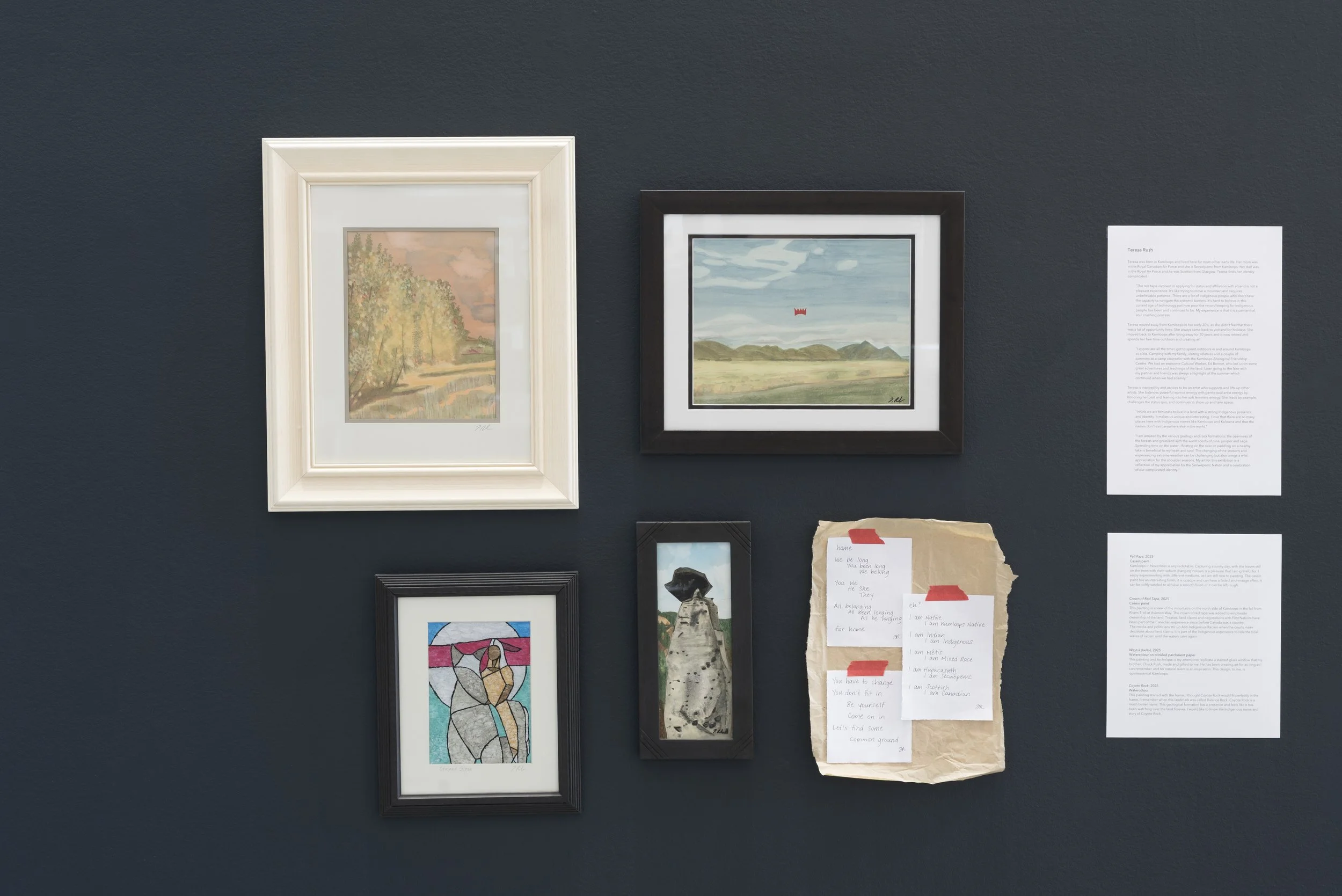
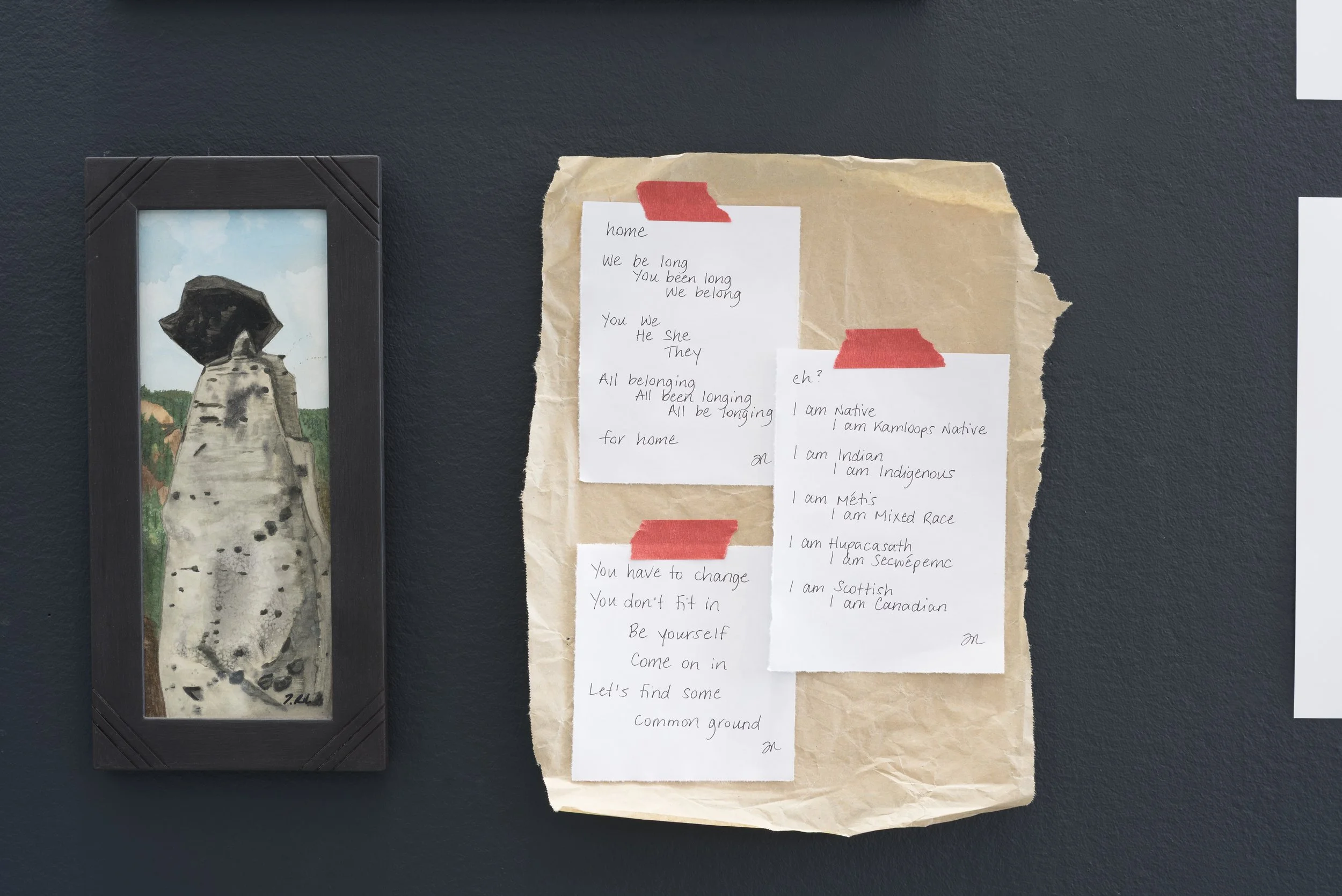
Teresa Rush
Open Gallery
December 6, 2025 to February 10, 2026
The land that Kamloops is situated on has always been a hub of cultural exchange. Cradled by Simpcwétkwe (North Thompson River) and Secwepemcétkwe (South Thompson River), Tk’emlúps has been a place of gathering for generations, and continues to be for so many people.
Kamloops has become a rich multi-cultural city, an exchange of ideas, experiences, and perspectives. We all connect to this land in some way, regardless of being born here or having relocated from somewhere else. Whether we have lived here for decades or for months, the land welcomes us, and so we, too, welcome in return.
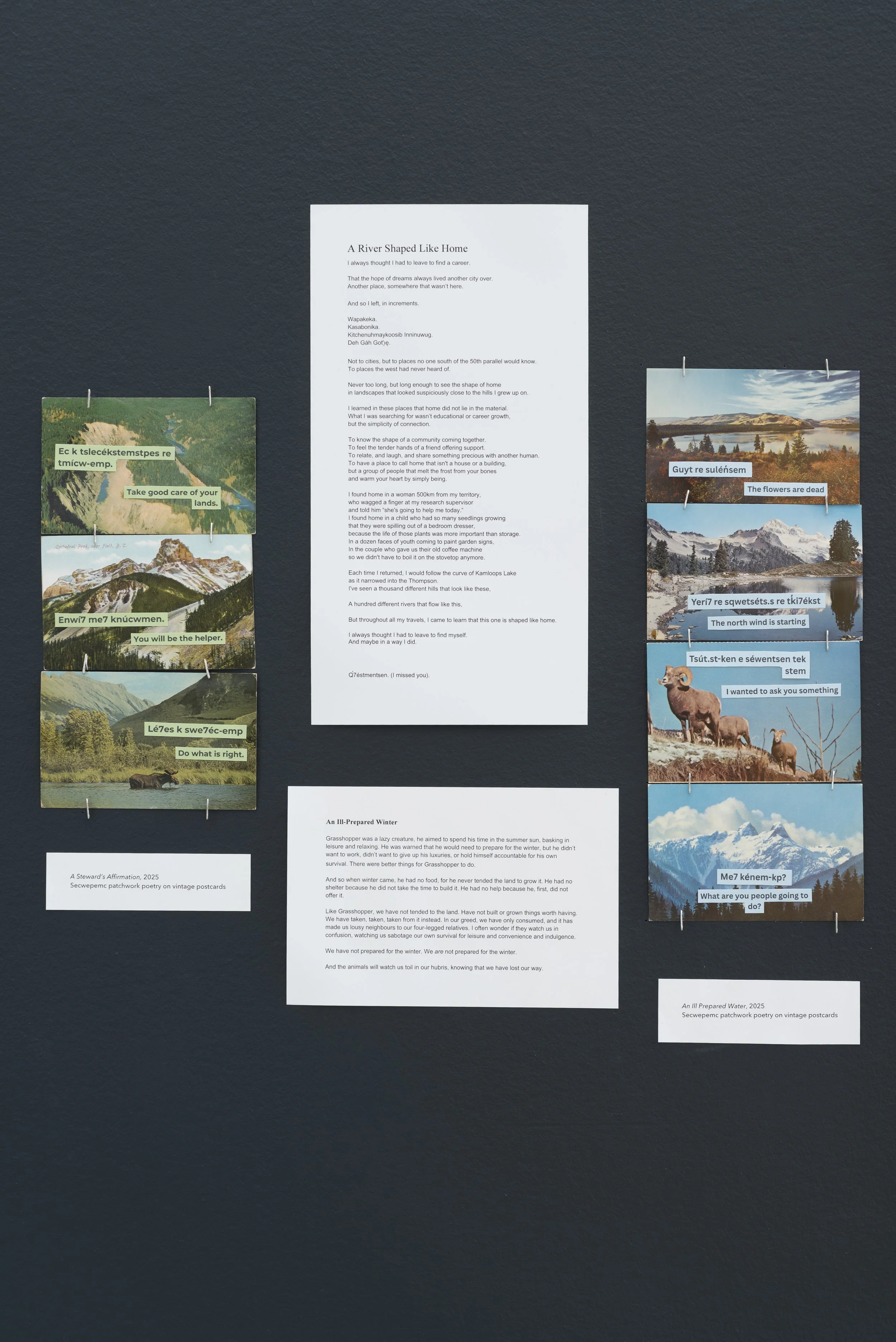
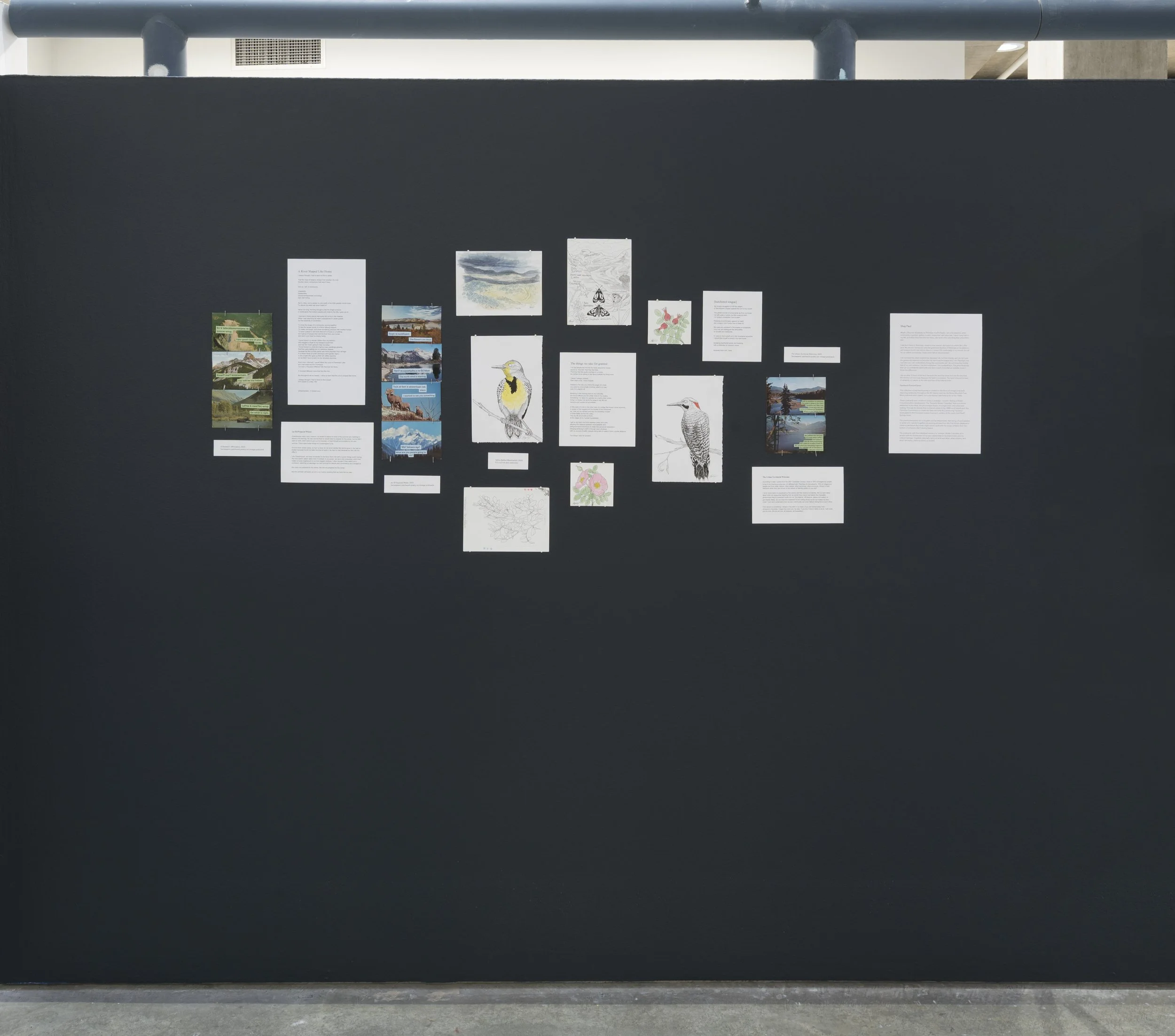
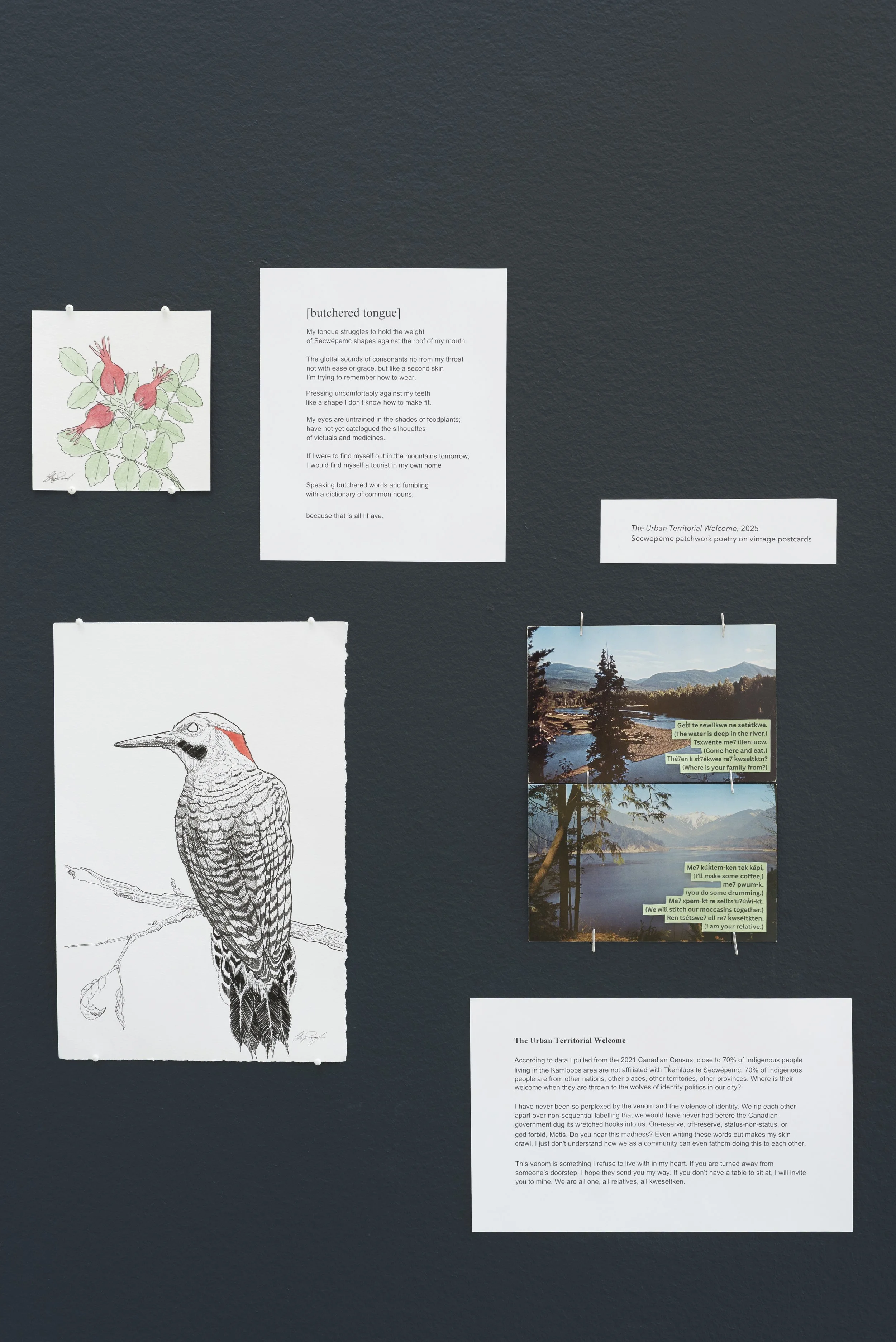
Time & Place is an exhibition that has emerged from welcoming artists from The Indigenous Resurgence Project collective to explore their personal connection to this land through a variety of mediums and expressions. All of the artists have varying cultural identities and lived experiences, have varying ties and connections to Kamloops, and all have unique feelings about living in this city today.
Centered on the theory of urban place-identity, explored by Harold M. Proshansky in The City and Self-Identity (1973), this exhibition explores how physical and geographical places shape an individual’s sense of self, particularly within urban environments. Proshansky argues that place-identity is not simply an attachment to one’s surroundings, but a substructure of the self—a system of cognitions, memories, interpretations, and meanings formed through our interactions with the physical world. These place-based experiences influence how we understand who we are, how we navigate social life, and how we interpret the environments we encounter.
This exhibition extends Proshansky’s thinking by considering time as a key dimension of place-identity: the moment, period, or life-stage in which the artist has connected to this land. These temporal relationships—when we arrive, when we leave, when we return, when we finally see a place clearly—shape how we understand ourselves just as much as the physical environment does. The artist’s connection to this place is therefore both geographical and temporal, rooted in lived experience across moments that accumulate into meaning.
Place-identity reminds us that the spaces we inhabit, and the times in which we come to know them, are as essential to selfhood as any social, cultural, or personal dimension of identity.